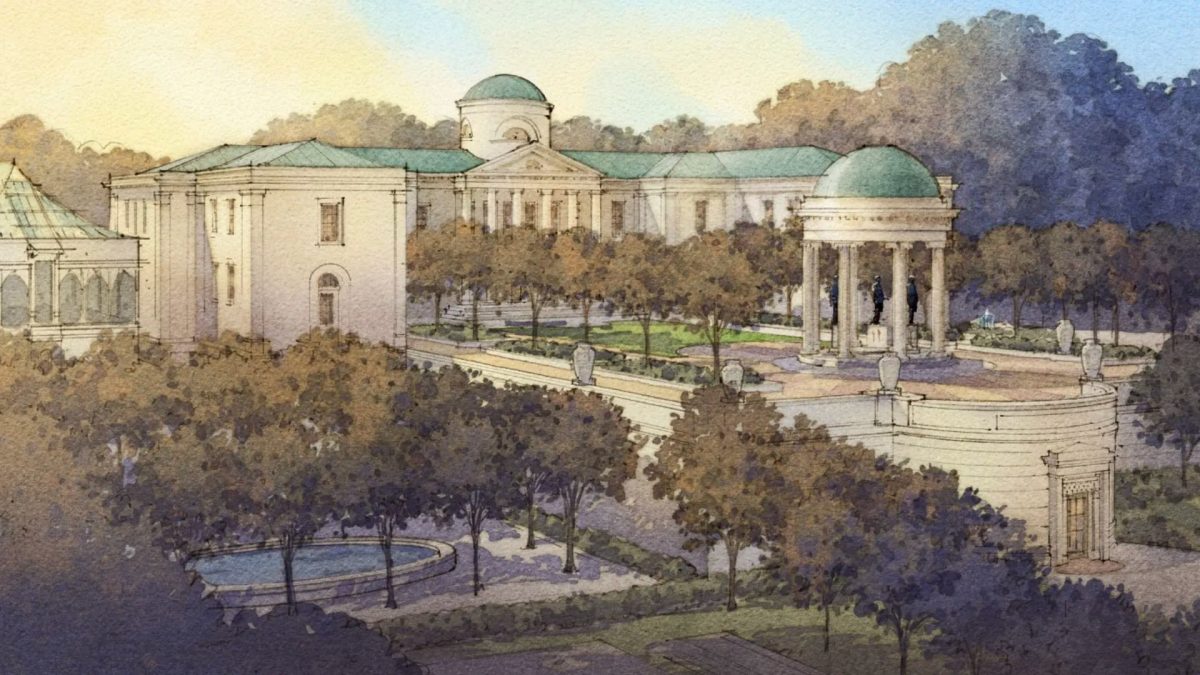
The Andrew Young International Institute for Peace and Reconciliation will open in the Vine City neighborhood, reflecting the legacy of former United Nations ambassador and Atlanta mayor Andrew Young.
Ambassador Young hopes the institute will reflect the values he has learned throughout his life that have been instilled in him from a young age.
“My daddy taught me when I was four years old, don’t get mad, get smart,” Young said. “You’re going to disagree with people, and they’re going to disagree with you, but if you lose your temper, that stops your thinking. I grew up in a neighborhood in New Orleans where my brother and I were the only African American children in the block, so I had to learn to play with everybody before I got to kindergarten.”
The Andrew Young Foundation has been a nonprofit organization for the past 20 years. The Institute for Peace is the next step in the foundation’s promise of equality, peace and progress.
“It’s an idea that I had when I was in Congress,” Young said. “I introduced a bill, and then I went to the UN, no longer staying in Congress. The bill passed, and they developed a peace center in Washington, three or four blocks from the White House. I left Congress in 1975, but always envisioned bringing that idea to Atlanta.”
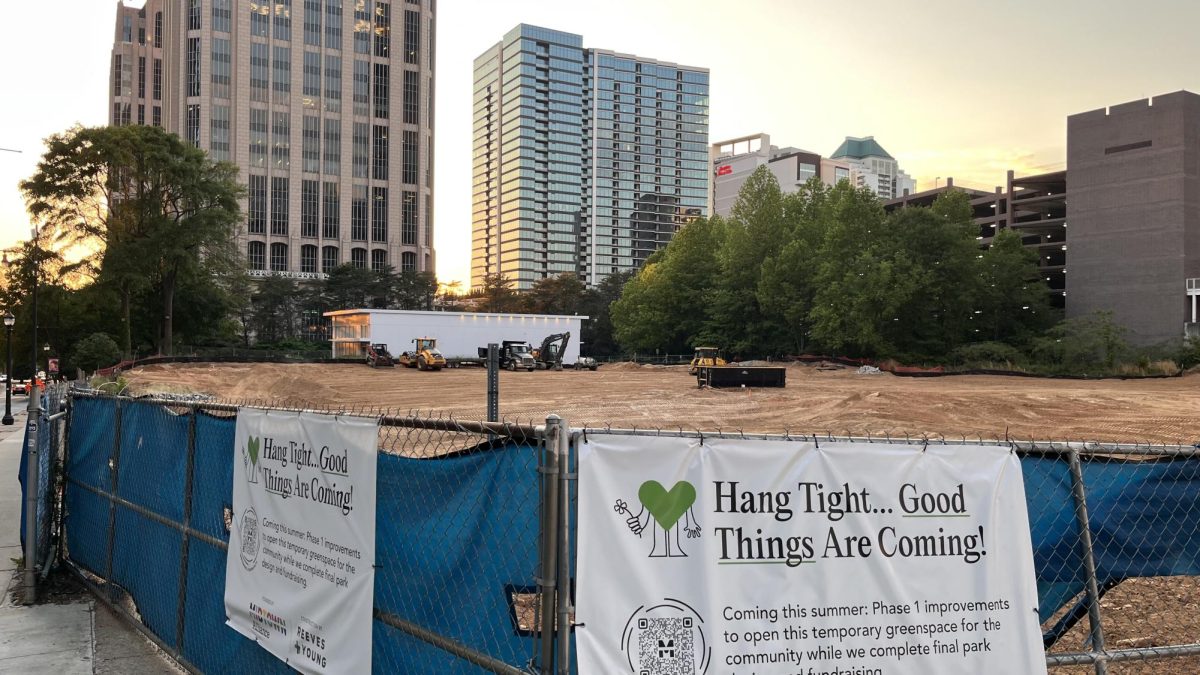
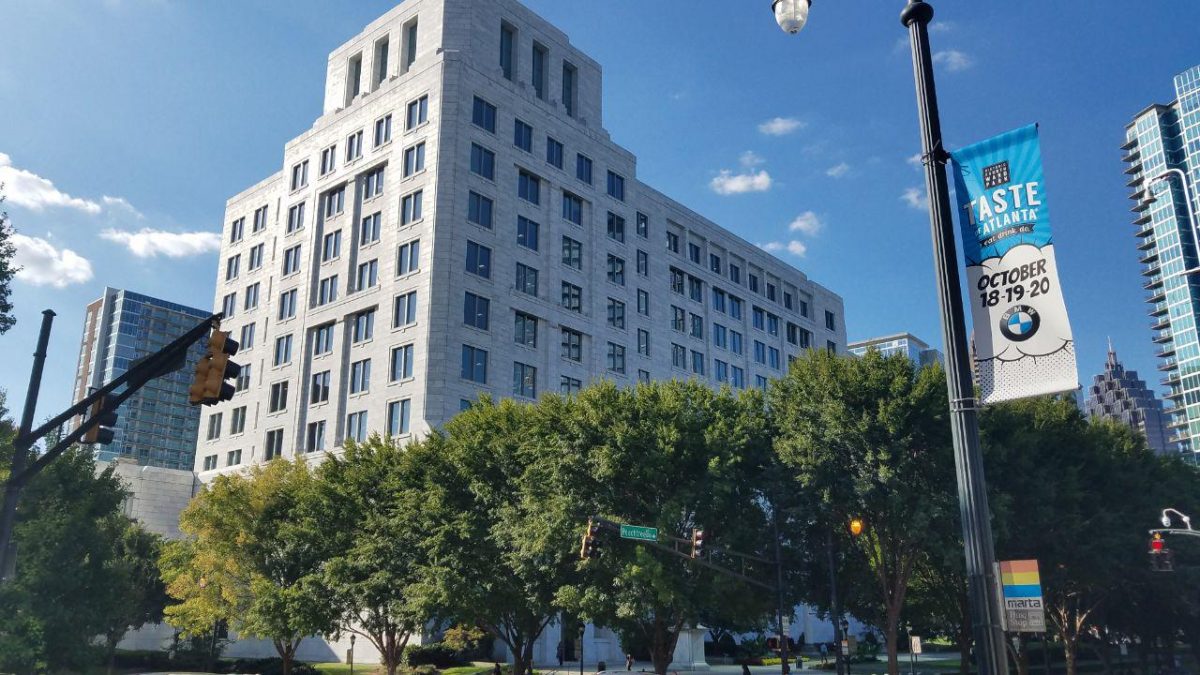
The Peace Center will be located in the historic Atlanta neighborhood of Vine City, adjacent to Rodney Cook Sr. Park.
“One part is facing Cook Park and the other part is next to the street that Martin Luther King grew up on, Sunset,” Young said. “As they rebuilt that vacant plot of land and as they built up Cook Park, we developed more and more ideas for the peace center.”
With the Peace Institute’s close proximity to Georgia Tech, Georgia State and Atlanta’s Historically Black Colleges and Universities, the institute promises to attract a prominent student body, offering educational resources.
“We’re trying to use this as a place where we pull together students in the United States and in the Atlanta area,” Young said. “We can have dual degrees where the students at Georgia Tech might get a degree with the students from Georgia State or Emory. We have thousands of students here who would benefit.”
Young is seeking to expand access to resources to help individuals learn how to have peaceful conversations to create progress in their communities, drawing from his experience as a prominent figure in the civil rights movement.
“When Martin Luther King wanted to do something in Birmingham and we were in Atlanta, he sent me to Birmingham to meet with the business community and churches there,” Young said. “He said, ‘Do you know any white people in Birmingham?’ I said, ‘I don’t even know any Black people in Birmingham. I grew up in New Orleans.’ And he replied, ‘Well, you have a month to get to know some.’ When I asked why I was chosen, he said, ‘Because you don’t mind talking to people. You talk very well to people who are different.’”
With Young’s role as United States ambassador to the United Nations, Georgia congressman, civil rights activist and Atlanta mayor, his impact on Atlanta is widely recognized. Longtime Atlanta resident Sally Dorn fondly remembers Andrew Young’s tenure as Atlanta’s mayor and the growth and progress that followed.
“I had just moved to Atlanta when he became mayor,” Dorn said. “He was such a pillar in the community for what it means to be an influential leader and civil rights activist.”
Dorn hopes the legacy of Young will live on in the Peace Institute, influencing youth to follow in his footsteps.
“It makes me feel content to know that young residents of Atlanta will have a place where they can come together with their peers and learn from others in a space created by someone so significant,” Dorn said. “You never know who could be inspired to be the next great leader by their time in the institute.”
Invest Atlanta, the city’s official economic development authority, has approved $2 million in public funding for the project. The city of Atlanta has also helped allocate money to get the project started.
“The city gave us money to reroute stormwater around that property, and that’s what we’re working on now,” Young said. “So we’re just getting started.”
Throughout his time in Atlanta, Young has seen the promise that Atlanta holds for progress, especially throughout its history.
“Atlanta has always wanted to be a city of peace,” Young said. “Martin Luther King grew up believing in peace, and so did Mr. Woodruff of Coca-Cola.”
Young has always believed that peace is necessary to humanity and hopes the institute will guide people towards that goal.
“You have to learn how to get along with other people, and it’s not automatic,” Young said. “You have to particularly learn how to deal with problems of opposites. Boys and girls have to learn how to talk to each other and how to relate comfortably with each other.”