Georgia governor primary election approaches, race tightens down

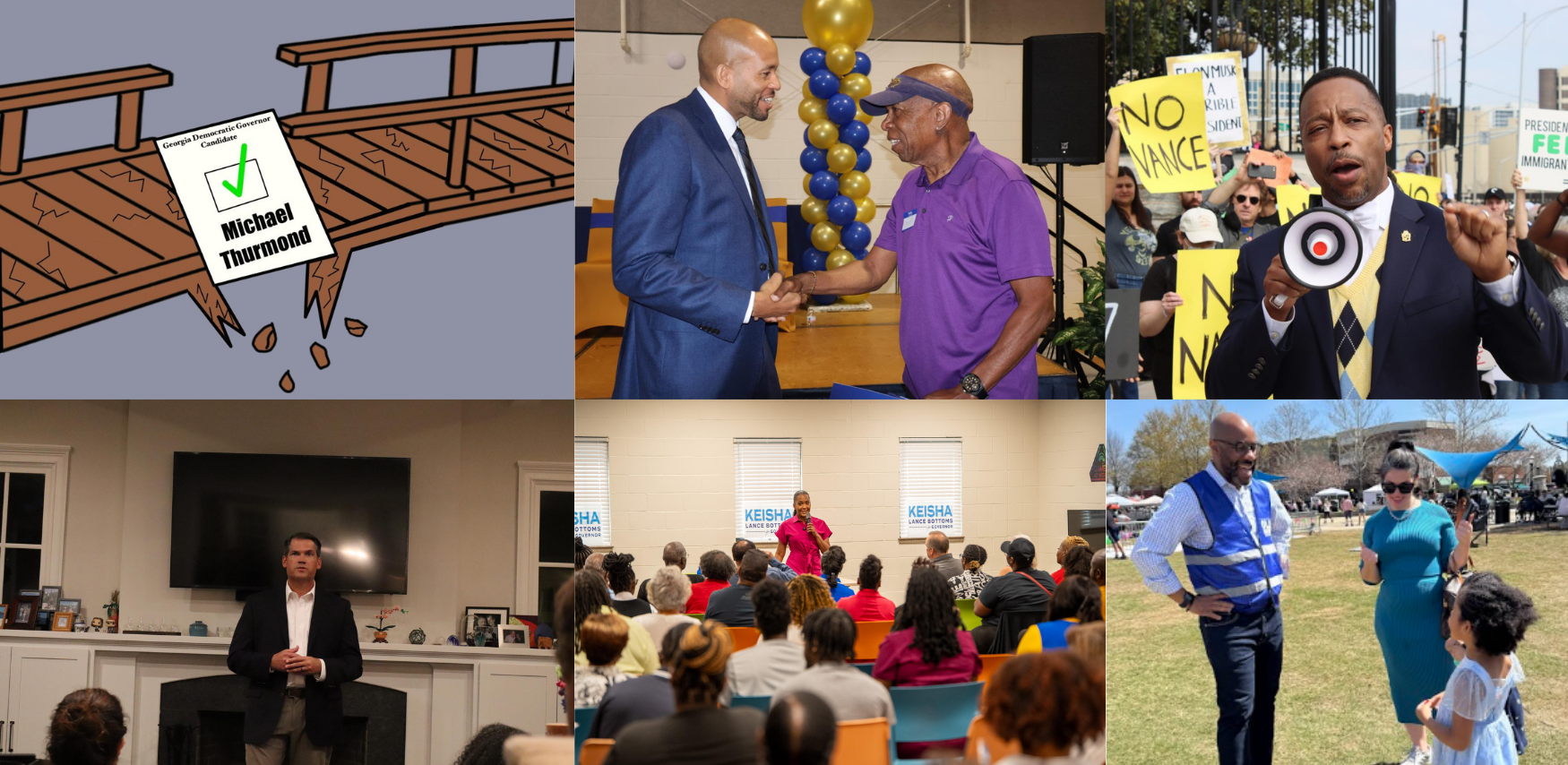
As the May 19 Georgia primary approaches, the race for the governor seat is narrowing. With many candidates on the ballot, local organizers and student leaders are ramping up efforts to increase voter turnout.
Junior Ella Lambe, 2026-27 president of Midtown Votes Club, which focuses on encouraging student civic action, said the primary is a way to influence the community.
“Voting is important, especially in local elections, because it is the single easiest way to prompt change in your community,” Lambe said. “Especially in recent times, I truly feel that every person has some sort of grievance with the leadership in this nation, and instead of dwelling in disappointment, this is the time to go out and vote and contribute to the change you would like to see.”
Lambe noted how primary participation plays an important role in the general election.
“Primary elections are extremely important because vote participation within them ensures the candidates on the ballot of general elections are representative of the opinions of the people,” Lambe said.
DeKalb Democrats block captain Carolyn Donegan views the election as a crucial part for the Democratic party to gain ground beyond the executive branch.
“You’ve got to vote,” Donegan said. “Every vote does count and we’re counting on you to help turn this country around and have a government that lifts people up, rather than making billionaires richer.”
While the primary serves to narrow the field before the general election, Donegan noted the party is also focusing on judicial races.
“In the primary, the democratic party doesn’t pick one democratic candidate over another,” Donegan said. “We are definitely working to get progressive seats on the [Georgia] Supreme Court though. Our block captains are working on getting that messaging out — talking to voters, leaving literature, etc. It’s hard and there are a lot of things competing for their attention.”
Donegan explained the hurdles of getting voters out to the polls.
“The biggest obstacles are lack of knowledge about the election and the candidates,” Donegan said. “Everyone sees the [Republican Governor] candidates’ ads on TV but little else – because nobody else has the budgets they do. We are holding monthly happy hours and info sessions, but folks are busy and it’s low priority. We need to start framing the messaging to show how politics impacts daily life. It’s not just something that happens in D.C.. Georgia politics are closer to home and probably have a bigger impact.”
With many candidates in the running for the primary, Lambe explains the effect this may have on voters.
“A primary election with a large number of candidates can influence someone’s voting, because it has the ability to decrease voter participation,” Lambe said. “This can happen because a large ballot can lead individuals to become overwhelmed, and end up making an uninformed choice, or become discouraged from casting a ballot at all.”
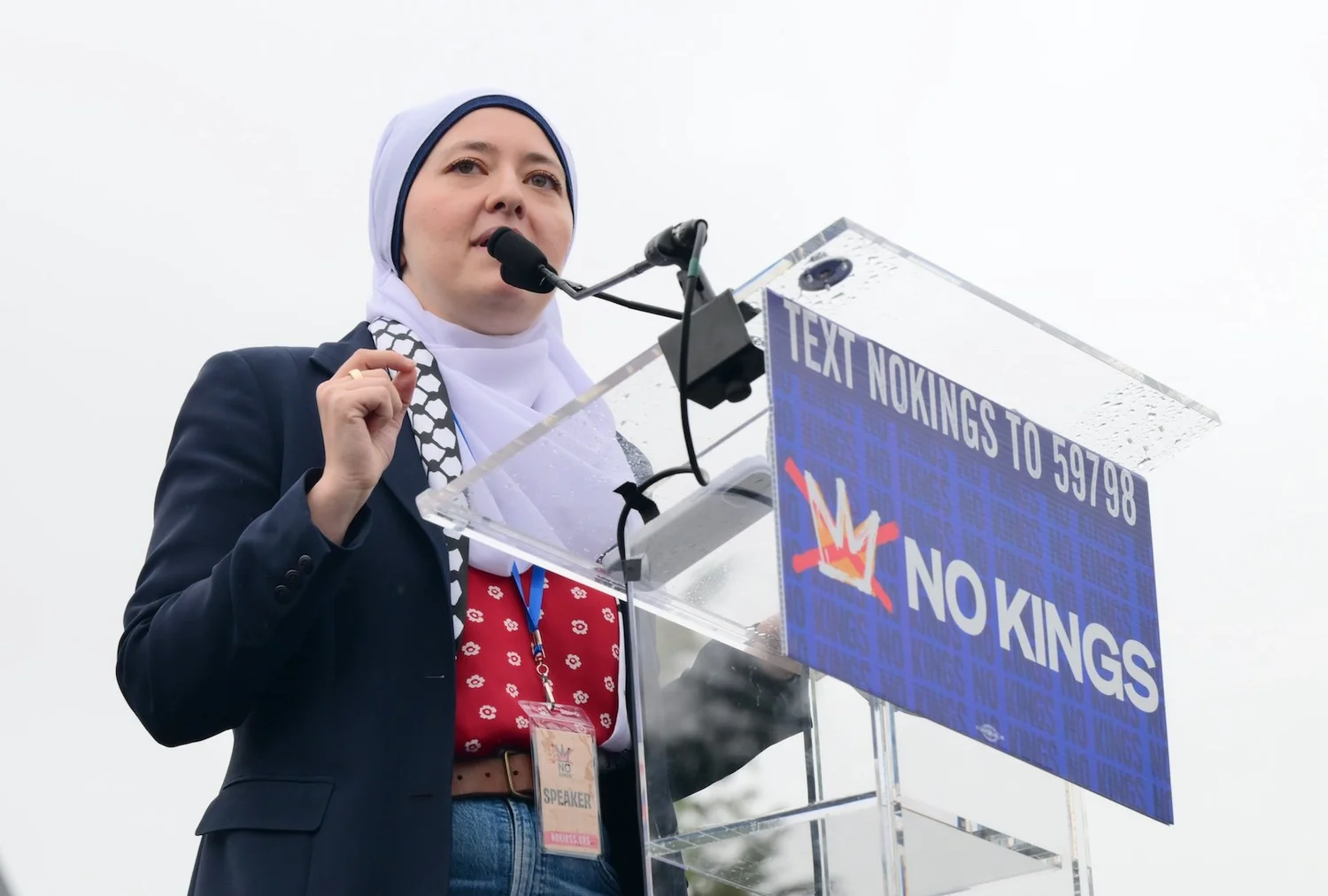
Although there are still many candidates in the running, the race has tightened down as it gets closer to election day.. State representative Ruwa Romman had started her governor campaign in Sep. 2025, and withdrew her position in Feb. 2026.
“I’m a deep believer that the many can beat the money,” Romman said. “However, you have to have the investment to build and sustain infrastructure. When we reached out to partner organizations, they informed us that much of the funding infrastructure we needed had gone to North Carolina and Texas. We could’ve stayed in the race, under-resourced and burned out what little infrastructure there was, but my team and I thought the progressive infrastructure and volunteer infrastructure was too important to burnout.”
Romman explained how she thinks the number of candidates can affect voter decision and why there are so many candidates in the first place.
“Georgia is on the precipice of something big,” Romman said. “Between the election of Senators Ossoff and Warnock in 2020, last year’s PSC election, and frustrations with political leaders at the federal, state and municipal levels, people are hungry for change. This is a once in a generation election cycle, so it makes sense that many are jumping in to meet the moment. These candidates know this and have decided to pitch their vision for Georgia to voters. It is not why I withdrew, but it absolutely inspired me to show national, state and local leaders what can be possible with a campaign like ours.”
School wide, Lambe explains the initiatives Midtown Votes are taking to get new voters.
“Midtown Votes has been spreading election information via social media, as well as reaching out to eligible voters to remind them to register,” Lambe said. “We have also been conducting class visits throughout the school, in order to physically contact students who are eligible to register to vote, leading up to the May 19 election.”
Lambe emphasized the importance of voters educating themselves on the candidates and understanding their individual policies.
“With the primary ballot being so large, I highly highly advocate for all eligible voters to make their best effort to educate themselves on every candidate,” Lambe said. “I truly understand how it can be difficult, as many of the candidates are running on very similar agendas, but I would also recommend researching past histories of the candidates, and their political records, if possible.”
Donegan believes the most important part of an election is voter turnout, as it largely influences the results.
“Turnout is always the most important thing,” Donegan said. “If every registered [Democrat] turned out for every election, we’d win them all. So we have to have candidates that [Democrats] can get excited about and get out and vote for them. Also, [Democrats] tend not to win races if they feel they don’t know enough about the candidates to make an educated decision. Leaving the bottom of the ballot empty is as bad as not voting at all”
Romman believes Democrats will show up to polls, motivated by the urge for change.
“A lot can happen in the next few weeks, but one thing I am sure of, Democrats will be breaking turnout records,” Romman said.