The Georgia House of Representatives passed House Bill 1193, 170 votes to 2, in late February, revising Title 20, which outlines laws for early care.
The bill will work to increase state-wide literacy rates. A few major ways include ensuring that local school systems and public schools in the state have a unified literacy plan, along with the creation of the Georgia Literacy Coordination Committee within the Office of Student Achievement, which will function to oversee new literacy initiatives.
Georgiareads.org reports that, according to data from the 2024 state Milestones test, 62% of third graders are not reading at a proficient level. Furthermore, it reported that the 2022 NAEP tests found that 68% of fourth graders and 69% of eighth graders are not reading at proficient levels. Advanced Placement Language and Dramatic Writing teacher Alexis Smolko reflects on her observations of the trends in literacy rates.
“It definitely depends on which students we’re talking about,” Smolko said. “I’ve noticed my on-level students have shown a vast decline in reading comprehension since 2020. It isn’t due to COVID-19, but it’s from Artificial Intelligence and grade inflation. Though I would say 80% of my AP students are reading far above eleventh grade at the collegiate level.”
Another significant way HB1193 is designed to help increase literacy is by providing the funding required for every public school in Georgia to have a literacy coach available for students in grades kindergarten to third.
“I don’t think hiring out ever helps because usually coaches are far removed from the classrooms, and it shows no trust in the teachers,” Smolko said. “We shouldn’t even need a house bill; it comes down to the fact that students need to be reading more than they are.”
Science for Georgia, a non-profit organization founded in 2018, found that the data from the third-grade Milestones displayed disproportionately higher scores in urban areas, especially metro Atlanta, compared to surrounding suburbs and rural north, middle and southern parts of Georgia.
Comparatively, this pattern coincides with a report by the Atlanta-Fulton Public Library Foundation that reports 41% of third graders in the metro Atlanta area are reading proficiently. Another report from early 2025 by APS Today, the official blog of the APS district, found that Atlanta Public Schools was the only large urban school district to make notable progress in fourth-grade reading levels, increasing by 6.9%, which was significantly larger than other progress in Georgia as a whole. Smolko noticed a similar pattern with her own students.
“I taught underclassmen at a high school in a much more rural county before teaching here at Midtown,” Smolko said. “Between underclassmen in a suburban school and upperclassmen in city settings, city students are much better read because of libraries and other resources they have access to.”
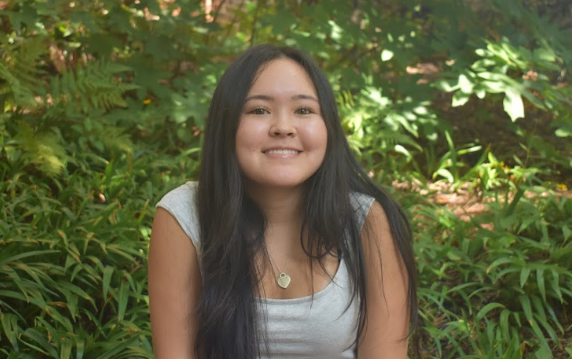
AP Language student Maya Mossing has experienced an academic atmosphere at both a private school and a public school. She explains the differences she has noticed between the two.
“I would say the reading levels and literacy rates at private schools are definitely better in my opinion,” Mossing said. “Though I think it’s just because there is much more mandatory reading at private schools that is completed both inside and outside of school. I also think that literacy rates vary from class to class in public school because there is a much larger pool of students.”
HB1193 will also outline and require the implementation of approved high-quality instructional materials. These materials will align with researched methods on optimal ways to teach reading, otherwise known as the “science of reading.”
“The new materials for how to teach reading are a great idea and will be helpful to everyone,” Mossing said. “Students are learning vital foundational skills early on in their school careers, so teachers being properly equipped on how to best teach reading is crucial to success.”
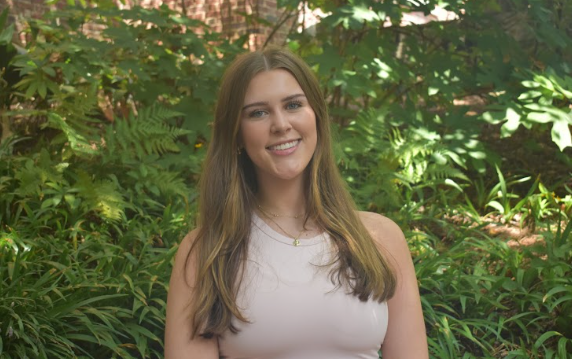
Callan Meyer, Midtown student and co-founder of the Creative Writing Club, believes high literacy rates should be a priority in school systems, especially at young ages. Meyer stresses that reading levels are reflected in and limit writing levels.
“Improving literacy rates is where policymakers should be focusing some of their time, since the state of Georgia has such low ones,” Meyer said. “Today, so much of our reading comes from our phones, and in school, we read most of our stuff online. When I was co-founding the Creative Writing Club, this was something I kept in mind. I think learning how to write creatively is really important for kids, but much of the ability to do this comes from how well-read someone is.”