Through a growing partnership with Atlanta Public Schools and DonorsChoose, the ideas of student-led passion projects are being shifted to reality. The district’s Student Voice Impact Mini-Grant will award $700 to selected high school students to fund creative projects that amplify student voices and strengthen school communities.
District leadership believes encouraging student-facilitated change would be achieved through this grant, as well as giving students additional resources to pursue their interests and build their capacity. Dr. Kyra Caldwell Templeton, program director at Atlanta Public Schools, said mini-grants developed through ongoing dialogue of howthey might support student engagement at every level throughout the district.
“The grant came out of an idea that I had when I was presenting to the Casey Foundation,” Caldwell said. “They were looking to fund something focused on student engagement and student voice and advocacy.”
The goal of the grant is to provide students with opportunities to take ideas they are passionate about and create them into real projects that benefit their school community. The school district hopes to inspire students to be innovative in developing new ways to make their school and community better by providing funding for projects that are student-started.
“One of the ideas was just an overall effort to increase student incentives,” Caldwell Templeton said. “Really just focusing on ways that students can improve their school community through a particular project or an initiative that requires some funding to get it off the ground.”
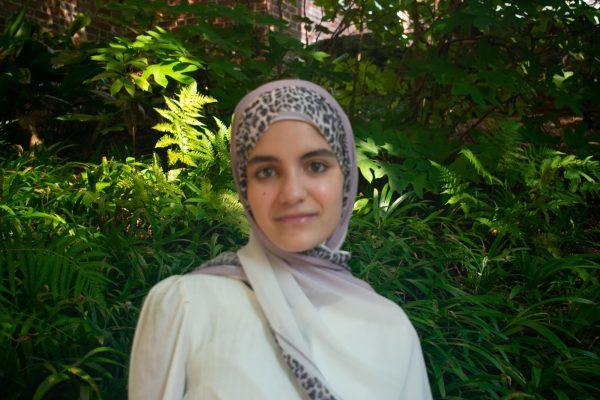
Freshman Shurat Siddika said she supports the idea of grants and that it can be a pivotal stepping stone into the passion projects of different students.
“I believe district support could help in launching passion projects in several ways, such as encouraging students to apply by awarding a prize,” Siddika said. “This allows students to put even more effort into their passion projects and improves school culture.”
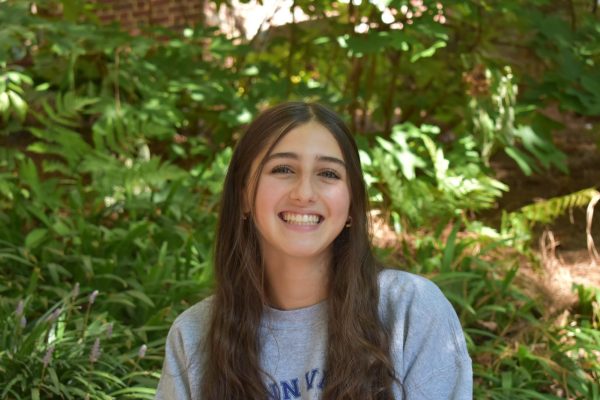
Junior Parker Koher, CARE (Cancer Awareness and Relief Efforts) Club founder, points out that financial support will not only increase the scope of club outreach programs but also gets rid of barriers that prevent clubs from being noticed.
“The funding could create more places for student connections,” Koher said. Clubs are a great way to meet new people and form friendships with people you wouldn’t have met before. This would change school culture because students would be more connected therefore making bigger changes in the community.”
Siddika believes the heart of any passion project comes from within.
“The most significant element of a passion project is its resonance and connection with individualism,” Siddika said. “Most passion projects are embedded in students’ interests and future goals, which creates an effective outlet to showcase their talents for prospective academic opportunities. Not only does this help a student enhance their knowledge, but it also allows them to explore their interests.”
To turn meaningful ideas into initiatives, Siddika said financial backing can play a critical role.
“From my perspective, grants do play a pivotal role in helping projects,” Siddika said. “A key reason is that grants provide critical innovation and foster community development.”
Specifically considering her own experiences, Siddika said that she is still in the early stages of developing her idea, but is encouraged by the ideas of grants.
“Currently, I don’t have a specific passion project I think could benefit from any help in mind,” Siddika said. “However, I’ve been planning to commence a passion project for a while now. I’d love to reinforce my firm notion that passion projects are an important, creative outlet for young people to express their knowledge and interests, while making an impact. They are incredibly valuable for exploring personal interests, nurturing curiosity and building impact.”
Koher believes that the main value of the financial support lies in its ability to build relationships among the students at Midtown.
“If we received the grant, I would organize an event to increase participation and buy supplies our club could use for years,” Koher said.
Even though the high level of participation and commitment from students at Midtown, the financial barriers have affected the club’s ability to reach out to more students. The CARE club is funded directly by founder Koher, so the club must balance the expenses on activities for the club to do.
“We’ve wanted to create posters and decorated walls for awareness, but we couldn’t afford the materials,” Koher said.
While the grant might not appear substantial, there is an opportunity for significant impact at schools based on having a clearly defined purpose for the students. The application will also provide an opportunity for students to think about and formulate their ideas on the best way to utilize funds.
“I hope that students find something that they’re passionate about and willing to really dive into the work and get it done,” Caldwell Templeton said. “I know $700 may not be a lot to some, but it could really ignite something else in the student and ultimately in the school, that can make a change for good. I believe, once this has been awarded to the winners, we can definitely make a big splash about it, district-wide, and to really show the Casey Foundation that their generosity sparked this desire, this excitement and students to make a change.”