In recent years, social media has become widely embedded into popular culture, with 5.66 billion people, or 68.7% of the world’s population being users of these platforms worldwide.
While also featuring longer-form content, many platforms, including TikTok, Instagram and YouTube emphasize short-form content for users’ consumption. The average length of a TikTok video is under 20 seconds. The abundance of short-form content on social media has contributed to the significant loss of attention spans in students, which could have major implications for classrooms moving forward.
On average, social media users spend more than two hours daily on platforms, constantly consuming media and stimulation. Despite having a 10-minute recording limit and access to longer-form videos, shorter videos on TikTok are engaged with more frequently. Additionally, on YouTube, which features both short and long-form videos, 20+ minute videos are only completed 22% of the time, while videos spanning from two to 10 minutes are completed 50% of the time, highlighting the short-form content on many platforms.
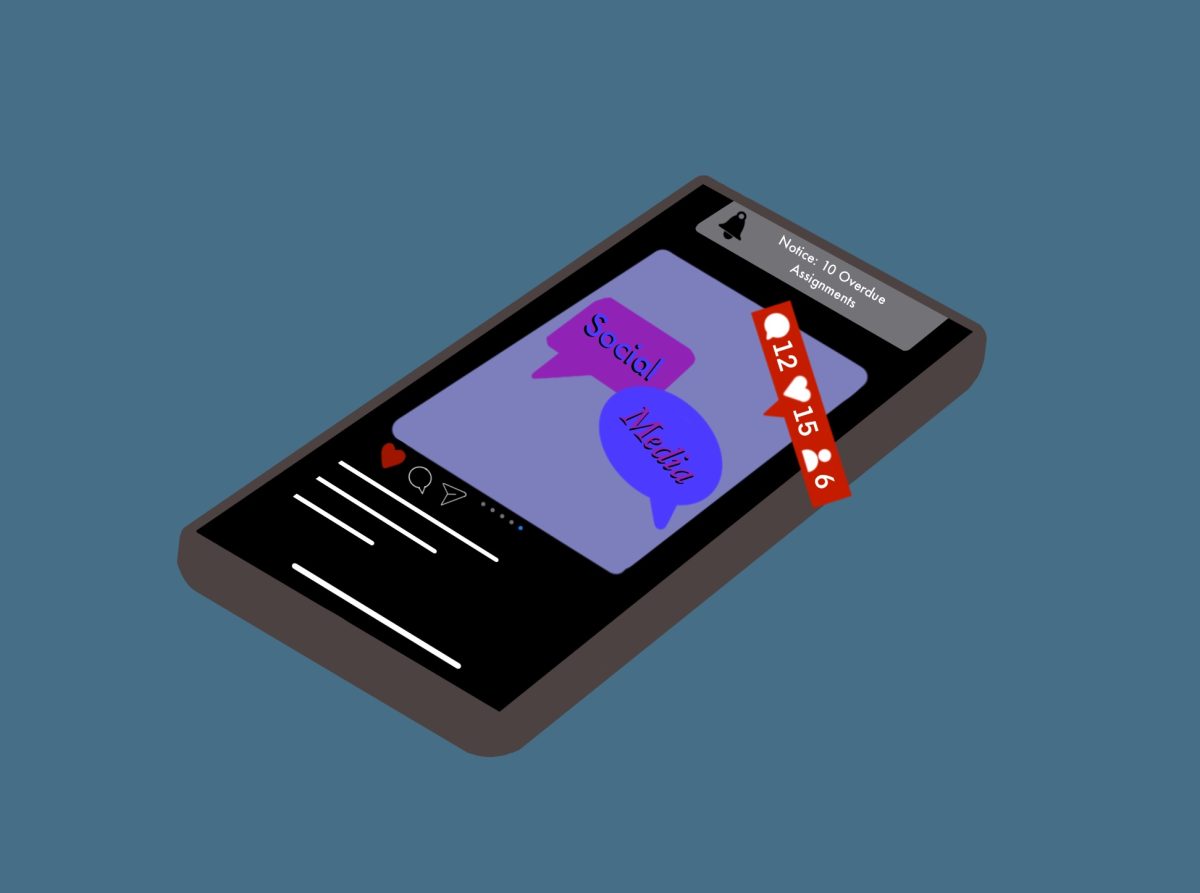
The term “doom-scrolling” has been coined to describe a behavior which consists of continuous scrolling on social media platforms, constantly taking in content without much mental application or focus. This behavior, which is both addictive and time consuming, has surged as a result of the success of short-form content, as it rewards brevity over in-depth coverage. Ultimately, recent patterns emphasizing conciseness on social media contribute to lowered attention spans, as they encourage spending a shorter amount of time on each video and applying less mental effort to understanding and internalizing content. That said, the decrease in student attention spans poses a significant threat to classroom environments, as this decline contributes to worsened academic performances.
Youth populations frequently use social media, with 95% of people ages 13 to 17 active on these platforms in their day-to-day lives. However, during the COVID-19 pandemic, social media exploded in popularity as people turned to online communities for information and entertainment. Additionally, many classrooms became virtual, relying on Zoom and other online platforms to conduct daily lessons. Due to the limited supervision that these meetings could permit, students were noted to casually interact with other online platforms while attending classes. That said, this period of education made it easier for students to engage in off-task activities, and further emphasized reliance on and engagement with social media.
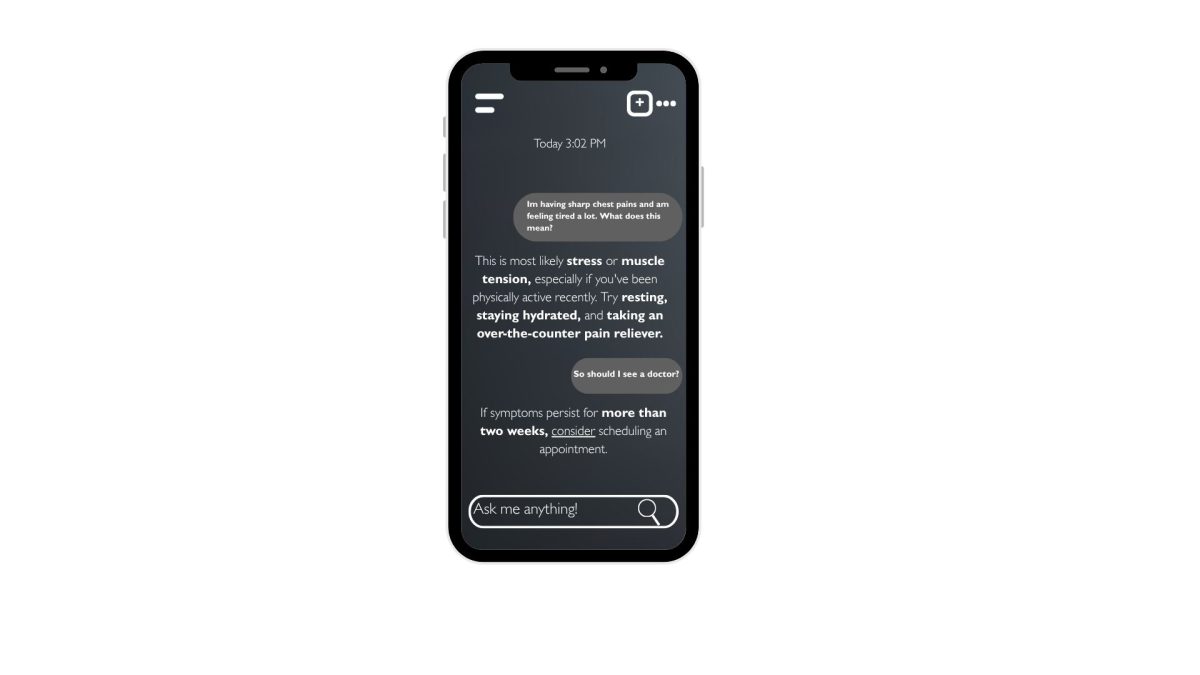
Many social media and online platforms have integrated AI into their platforms. On TikTok, AI-generated content is created through filters and spread to users through its algorithm. Other apps such as Instagram and Google have incorporated AI into their search engines to provide more detailed answers to questions. While the use of AI may not seem pressing, it promotes standards of interacting with AI that could translate harmfully into classrooms.
Because AI can instantly generate written content and cite sources through a short prompt, it has become a tool widely used by students to complete work. While AI has the potential to be used ethically to act as an educational tool and guide, it is instead being used to fabricate work as a whole and remove human thinking from students’ educations. This harmful misuse of AI has ultimately become normalized as a result of an emphasis on embedding technology into an ever-digitized society. That said, AI is turned to because it is simply more convenient than committing the mental effort to completing assignments with intention and agency.
Overall, AI’s promotion across social media and the wider online world needs to be addressed, as it normalizes unethical standards in classroom and workplace environments. As a result of its accessibility and instant convenience, it has become a crutch for many students and professionals to generate media, eliminating the need for personal effort. For example, entire essays can be created by entering a prompt into these platforms. However, the increasing reliance on AI is a result of the prioritization of convenience over ethics.. Furthermore, the use of these platforms as an outlet to complete work quickly enables users of AI to return to doing other less productive activities, which in many cases is resuming a cycle of constant scrolling.
For current students, the loss of an attention span poses problems, including issues with retaining information and focusing on lessons. Ultimately, these issues can contribute to lower grades and difficulties understanding material. Many people are compromising their integrity for AI, and instead of focusing on critical thinking, prioritizing convenience. AI is leading to the loss of fundamental skills, including critical thinking, which will significantly impact the success of future generations.
To combat these losses, standards need to be outlined on social media and in the classroom to prevent the absolute loss of attention and academic dishonesty. This can include screen time limits on social media to prevent becoming overly reliant on its content, limitations in schools and more strict parameters on the usage of AI. Similarly, social media platforms can continue to implement alerts that remind users to take a break, and implement new policies to shorten the amount of time spent watching short form content.
In an era defined by technology, being able to set limits on social media usage will reduce the negative side effects prevalent in the attention spans of students. That said, if both students and social media platforms engage in these restrictions, it can allow for the prioritization of critical thinking and the recovery of academic integrity in the future.