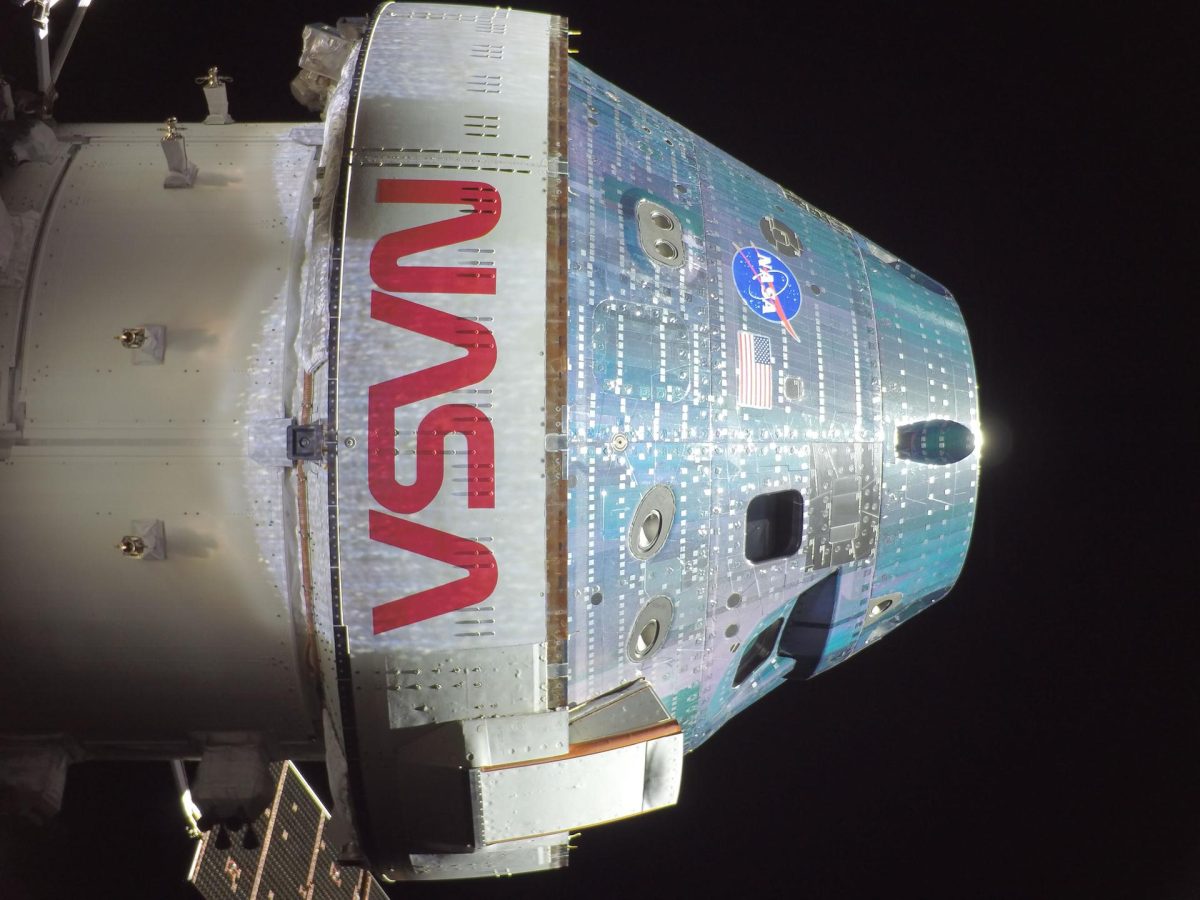
Following the launch of NASA’s Artemis II on April 1, the first mission to the moon since 1972, excitement around space exploration has been growing exponentially.
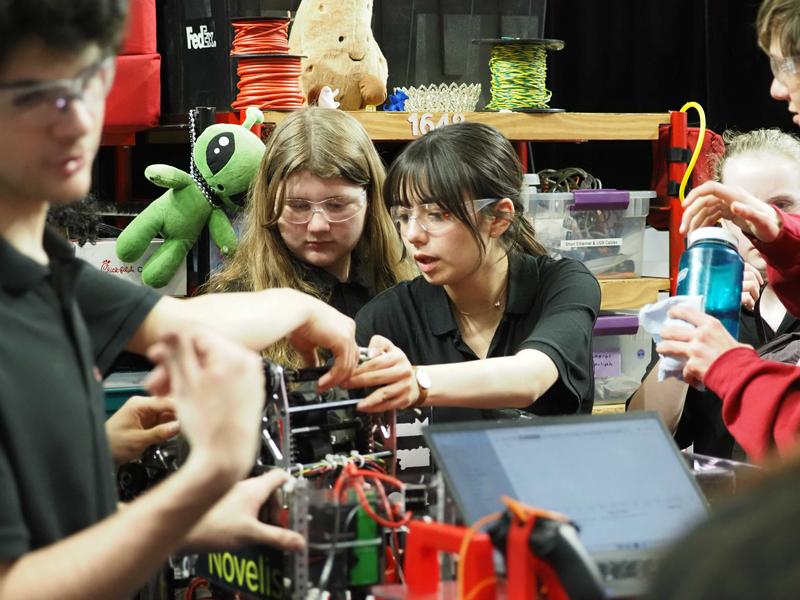
For most young people watching something as novel as a mission to the moon, especially when it has not yet occurred in their lifetimes, the automatic mental response is, “Wow, that could be for me.” For a child, this tends to be in the form of a loose dream to become an astronaut. For many high school and college students, it creates encouragement to pursue other space careers, such as astroengineering and technology. This excitement stems into a whole new field of interest.
According to Google Trends, search terms such as “Artemis NASA,” “NASA launch” and “moon,” among others, have increased in popularity by around 500 percentile over the past three months. This is due to an increased interest from the rocket launch, and is not likely to stop anytime soon.
NASA has already realized this attention, because on April 17, they launched the NASA Force initiative in response to the growing excitement. NASA Force is intended to bring new scientific talent in their early and middle careers into high-demand roles that have stemmed from the administration’s long list of future projects. Most of the positions only last for one to two years, with rotating hires, so it is a good opportunity for people to gain experience without making a lifelong commitment.
There is also large potential for future success for people entering into the space workforce because while artificial intelligence is hollowing out some workforces, it has massively accelerated space exploration and opened up new opportunities for innovation in the sector. This is mainly derived from the new project possibilities that AI brings, including embedding it into Mars rovers and improving the efficiency of missions. There are also jobs considering AI ethics and cybersecurity in the space field, opening a different option for those wanting to move to this growing workforce.
One clear representation of the increased interest in space is the buildup to the soon-to-be SpaceX initial public offering (IPO), which is expected to be one of the largest investment opportunities in history. Following the industry-insider predicted June 2026 IPO, everyday people will have the opportunity to have a piece of equity in expanding space explorations through Elon Musk’s startup. Along with bringing more attention to space missions, especially those done by SpaceX’s satellite program Starlink, it will greatly raise the value of the company and the funding that is heading towards related programming once public.
Even further, the influx of money upon the SpaceX IPO and the success of the Artemis II mission is expected to stimulate a new “space race.” This is an allusion to the Cold War event because of the sudden rush to push farther astronomically. This time, however, it will be between the U.S. and China. China’s Aerospace Science and Technology Corporation has already hinted at plans to land a lunar crew before 2030. There are also circulating ideas for a permanent, space-station-like residence on the Moon within the next few decades. It is becoming ever more reminiscent of the 20th century’s space race, and this rush to win will undoubtedly stir excitement and build possibilities among those considering space exploration.
Along with the buzz from the Moon mission, an influx of space media is contributing to the rise of interest. The movie “Project Hail Mary,” which was released in theaters on March 20, immediately took the world by storm, making over $600 million in the box office. The movie featured thrilling scenes of space exploration and integrated the intellectual factors behind it. Its concision with a connection to Artemis II was a big contributor to all the excitement, and likely will push younger generations towards astrocareers.
Even with all of these inspiring anecdotes, we must remember that the only definite thing about the future is that it is uncertain. Space exploration has incredible financial costs and extreme dangers, and almost never has any immediate return on investment. There are continued concerns about environmental risks and ethics, all which may stagnate progress.
However, the power of human curiosity is undeniable, and future generations are the ones who wield it. Sixty years ago, the lunar landing channeled waves that led to the development of essential technology today, such as water filtration and Global Positioning Systems. This revived wave of forthcoming exploration is about more than just science, it defines the advancements of the globe. It’s important to recognize the growth in interest and encourage it, because there is no telling what benefits it will bring.