The increasing usage of AI chatbots has introduced new ways in which Americans are dealing with their health.
Instead of visiting a doctor for medical advice, a growing number of people are turning to AI for answers and, in many cases, not visiting a real doctor for a follow-up. According to a report by health policy researchers part of the Kaiser Family Foundation, a large number of people who turn to these chatbots for medical information do not seek care from a professional after. This is not just because of personal inconvenience, but it is also because of rising healthcare costs and convincing AI-generated responses, where both reasons make AI seem like a sufficient substitute for professional healthcare.
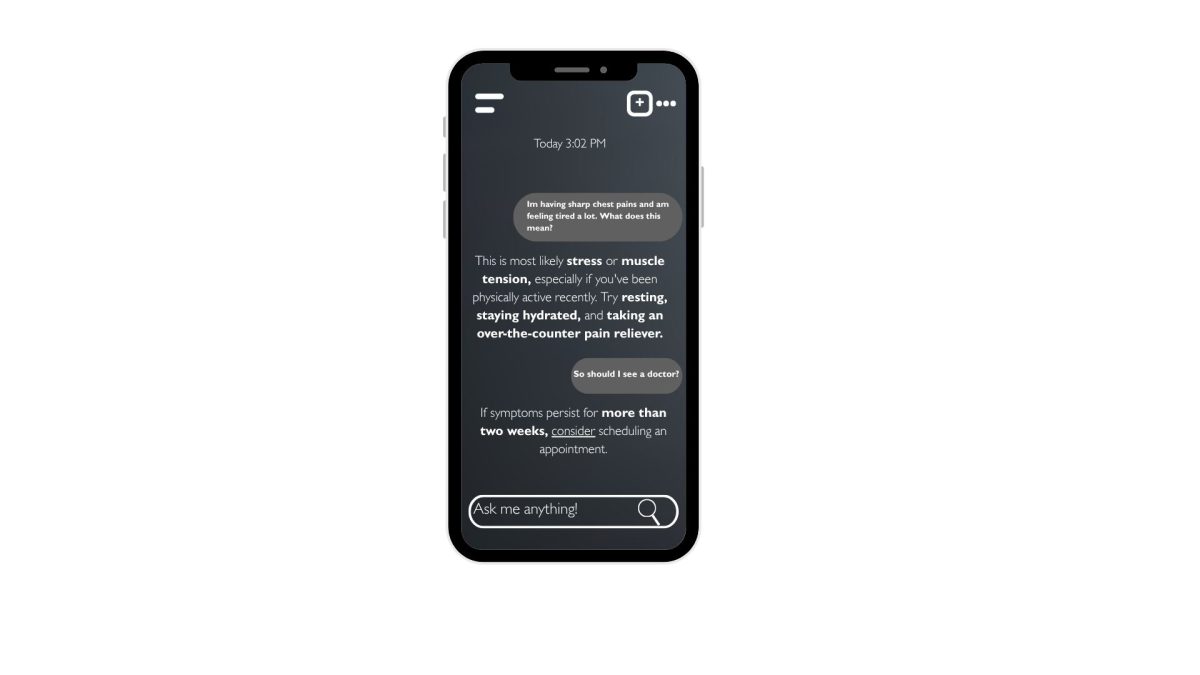
AI models are designed to agree with the user in most cases and generate fluent, accurate responses. They are not designed to diagnose sicknesses. They don’t have enough development to conduct a physical examination, review a patient’s medical history, or find certain signs that trained professionals can identify. AI tools produce responses that are usually medically inaccurate, but they say it with such an authoritative tone that takes away the need for verification.
The most serious symptoms are also most likely to be underestimated by this method. Vague symptoms that are harder to characterize, which usually lead patients to ask an informal source, are the ones that require the most in-depth evaluations from professionals. Reports from New York Times’ health reporters show that in the past, AI systems have misidentified conditions that physicians recognize regularly quickly before even undergoing an actual examination. Being warned earlier is a large factor in the health rate in many conditions, the faster you get informed, the safer you stay. This is seen in a majority of cancers and metabolic disorders. Delays in diagnosis carry a major amount of cause of worsening of the disease.
Factors make this AI reliance trend harder to address individually. Patients lacking health insurance, living in underdeveloped communities or without a source of income see AI as an easy alternative. It is easy to access, and there are few things that compare to it. Such is a true issue within the healthcare system. But, since COVID-19 pandemic, there has been an increase of community health centers nationwide and more options for professional consultation available than ever before. Although it does not address the problem with access, it is a better option than AI which will lead you astray.
AI’s role in healthcare is not invaluable. It is seen as useful in helping patients understand what they have already been diagnosed with, organize their medical information, and helps support professionals with heavier tasks online like data organizing. The issue is a more specific one where AI is used as the final word instead of a point of discovery, that’s when it is seen as a problem. The line between personal research and professional medical opinion is gone when AI is used. Determining what is wrong with a patient and how that area should be addressed is a job for a trained clinician, not an online chatbot.
AI also makes responses based on patterns in its past data and doesn’t examine the unique patient that is asking it questions. It does not consider them based on physical appearance or have any responsibility for the responses it gives the patients. A medical professional does these things because they are trained to do so. They are seen as the most reliable source in the field when something goes wrong with a person’s health. As AI tools become more commonly used in everyday life, people’s understanding of where these resources are limited matters just as much as the usage itself, especially when there is medical value behind it.