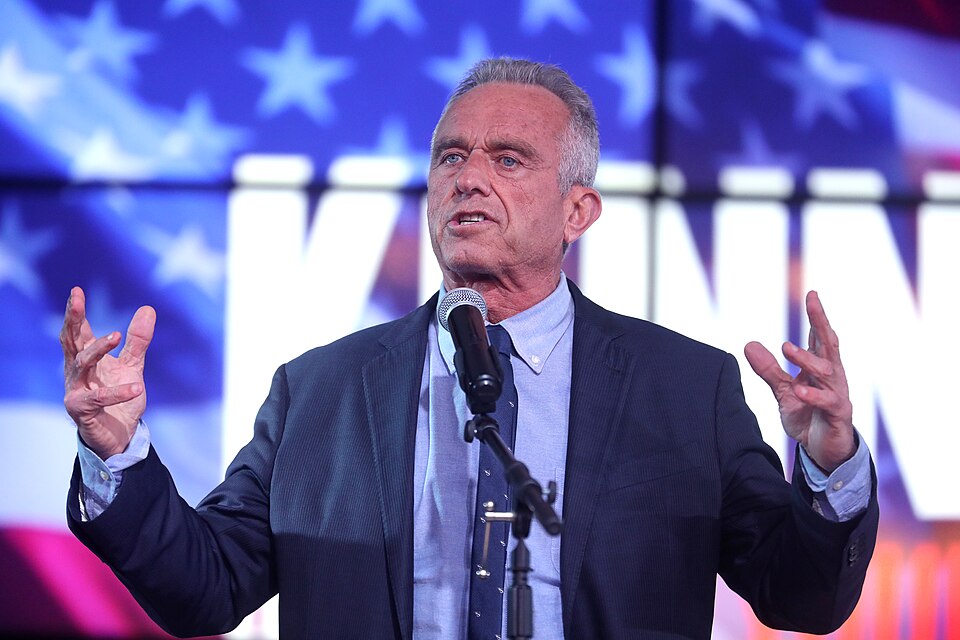
On Jan. 5, 2026, the Trump administration, via the U.S. Health and Human Services department, led by health secretary Robert F. Kennedy, oversaw the Center for Disease Control and Prevention’s (CDC) advisory to drop the number of recommended vaccines for children from 17 vaccines to 11. Included on the list of dropped vaccines are influenza, COVID-19, hepatitis A/B, rotavirus, meningitis vaccines and the vaccines against respiratory syncytial virus. This decision was poorly made, with little to no consideration of the possible devastating effects it may have on future generations.
A primary reason for dropping the vaccines stemmed from Denmark’s success with limited vaccine recommendations. In Denmark, the vaccine schedule is small and the country is generally very healthy, with a life expectancy of 81.2, which is about ten years more than the world’s life expectancy. However, there are vast differences between Denmark and America, including Denmark’s smaller size, mostly homogenous population and free, strong healthcare system. The United States cannot possibly match the European state in its other qualities, nor does it attempt to, so there can be no parallels made in attempting to model a limited vaccine schedule.
Besides that, the reasoning of the decision was not entirely clear. Complicating the decision is the fact that a certain few health experts, such as Kennedy, a known vaccine skeptic, recently replaced the CDC’s Advisory Committee on Immunization Practices panel with an entirely different group. This new panel was the one who listened to the Danish vaccine schedule presentation, rather than the one that was carefully selected by the Biden administration and earlier presidencies.
The shortened vaccination schedule is intended to promote trust in the American healthcare system, yet it is more likely that it will raise fear of vaccines and dissuade their importance instead. The majority of important American healthcare figures were not contacted or conferred with in shuffling these guidelines, such as the American Academy of Pediatrics and members of the US Senate’s health committee. Without explaining the scientific reasoning behind this choice, which is yet to be provided, people may struggle with where to turn for factual information and what they should be cautious of.
It is also crucial to note that even though the six vaccines will no longer be recommended, they will still be made available if deemed necessary. Some will continue to be recommended to children considered particularly “at risk”, the boundaries of that term yet to be defined, and some will be given after discussion between parents and doctors. Insurance will cover these vaccines for the time being. Despite these measures, this will barely ameliorate the number of people that will suffer from not receiving preventative care like vaccines that has proven itself necessary to modern life.
For one thing, many of the diseases that the vaccines apply to do not necessarily have an obvious risk factor, such as influenza, which places many considerably healthy children in hospitals every year. If sequestering vaccines for those at risk is the plan, it is counterintuitive to not recommend vaccines because that puts those unvaccinated people at more risk in the first place. All it will cause is the continued circulation of this sort of virus, but at a much larger scale that could have been prevented.
Additionally, before the aforementioned vaccines were introduced to America, thousands of children were dying from these diseases each year. Respiratory syncytial virus is the most common cause of infant hospitalization in America, along with the meningococcal disease which leads to death in over 10% of infected people. Underscoring the immense scale of these vaccines’ prevention. After the introduction of vaccines, numbers dropped dramatically. Looking at hepatitis, the hepatitis A vaccine has caused a 90% drop in illness since its introduction in 1996 and the hepatitis B vaccine led to a 99% decline. Cases still persist across all of these illnesses though, making it hard to imagine how much worse things could potentially be once effects of the dropped vaccines begin to manifest.
There is no foreseeable benefit coming from this decision, as it will only negate public trust in healthcare advisory, finances for those many who need to search for the now less-accessible healthcare, and most importantly, public health and preventable deaths of American youth. Some states may end up changing their vaccination mandates for schools, which could result in differing policies around the country and create uneven health divides, fragmenting public policy and quality of life across the nation.
In the future, we should advocate that this new policy be looked into scientifically and reevaluated, either reverting to the original vaccine schedule or a revised version that has reassuring statistics and scientific evidence behind it. Success in America is reliant on its citizens’ good health, and this act is only setting progress in reverse.