Atlanta Public Schools is implementing a media blitz to expose students to its “Talk it Out” program, a confidential, text-line resource designed to support students and their mental health.
“[Talk it Out] offers mental health support services, 365 days a year, 24/7,” Kyra Caldwell-Templeton, APS’s director of student engagement, said. “There needed to be some type of in-between support for students beyond just accessing their counselors or social workers.”
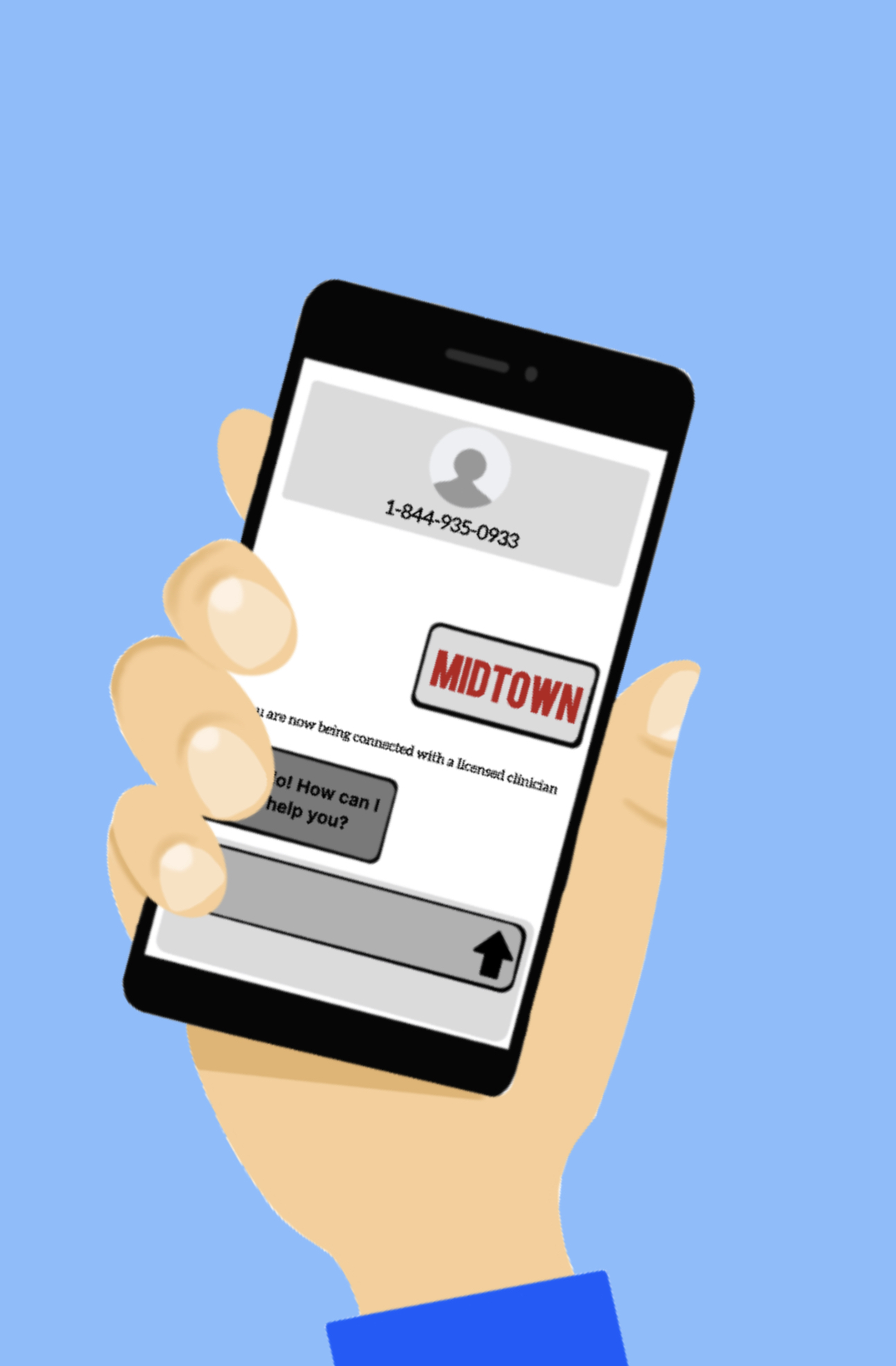
The Talk it Out text-line was introduced to the public in January but APS hopes more visibility will encourage more students in grades 6-12 to take advantage of it. A Midtown student who wishes to seek support can text “Midtown” to (1) 844-935-0933 and gains immediate access to licensed mental health counselors.
“We have no usage rate because the rollout wasn’t as strong as it could have been,” Caldwell-Templeton said. “We’re reigniting this initiative, which is why we had the media blitz last week.”
According to the CDC, 40% of American high school students reported persistent feelings of sadness and hopelessness in 2023. In that same survey, 22% reported drinking alcohol in the past 30 days, and 17% reported using marijuana.
“Students suffer from life stressors, which require thoughtful and immediate intervention,” Midtown’s social worker Abifee Thomas said. “Just like anyone else, there is no shortage of the kinds of stressors that teens face.”
According to Boston Children’s Hospital, suicide has been ranked the second-leading cause of death in teens ages 15 to 19. For teenagers 14 to 15, it is the No. 1 cause. Twenty percent of high-school students reported that they had seriously considered suicide within the past year.
“I think school, friendships, social media and not getting enough sleep can often make mental health worse,” junior Anna Gibson said. “Oftentimes, when someone is struggling, they find it difficult to talk to someone and get the help they need, causing them to fall deeper into their struggle.”
Although the text-line is a resource, it’s not suitable for all situations. Described as a short-term resource, Caldwell-Templeton said it should not be used as a crisis line for students at serious risk or as a replacement for other resources, such as therapy. APS advises students in crisis to reach out directly to the 988 suicide hotline or 911.
“I would say it is more preventative and maintenance-based as opposed to crisis,” Caldwell-Templeton said. “This is something that’s a little bit more low stakes, but still a situation where a student may feel impacted, whether they’re experiencing anxiety, whether they’re experiencing a tough time with their teacher or their parent. They have 24/7 access to licensed clinicians, or a therapist to help guide them, as opposed to going to social media, TikTok or ChatGPT for advice.”
Talk It Out was created as a replacement for APS’s prior partnership program with Hazel Health, a virtual health care resource, which was implemented post-COVID.
When the Hazel Health contract expired, the APS associate superintendent of student services at the time, Chelsea Montgomery, searched for new alternatives. After coming across the text system, she proposed the program to the student advisory council, which named it Talk It Out. Financial conflicts delayed the program’s launch, but the program was introduced to students after funds were secured..
“The delay in getting it out was the funding, and so we were able to identify funding through our equity office,” Caldwell-Templeton said. “For a three-year subscription, the service is $50,000. We were able to secure those funds to offer this service to our students.”
Talk It Out is becoming more known, but there are still efforts being made to advertise the program more.
“A lot of students didn’t know about it, and it was very expensive,” Caldwell-Templeton said. “Our next goal is to kind of have the signage on all buses. We have about 300 buses in APS. That’s our next step.”
Midtown students believe more awareness of the text line will bring positive impacts to the community.
“I think it’s a really good thing to have a resource like this available,” sophomore Charlotte Reed said. “It’s nice to know that it’s an option if anyone needs it.”
Talk It Out is not available to students during school hours due to the APS Personal Electronic Device Policy, but Abifee says there are resources in place to support students during school hours.
“Fortunately, Midtown has a student support team of two school social workers, five school counselors, a school psychologist, a Chris180 therapist, and a school nurse on staff to support them during school hours,” Abifee said. “For students who are uncomfortable reaching out to one of us, or if a crisis occurs outside of school hours, it is my hope that they will access Talk It Out for professional guidance and support. Ideally, after conversing with a Talk it Out therapist, students will turn to a trusted adult.”