For years Atlanta’s dog shelters have been consistently overwhelmed by overpopulation and dwindling resources. This leaves thousands of pets in crisis, inhumane environments and ultimately facing euthanasia.
Organizations including the Dekalb Animal Shelter, Fulton Animal Shelter and Bosley’s Place aim to combat this cycle and have strong ambitions to save the lives of these canines.
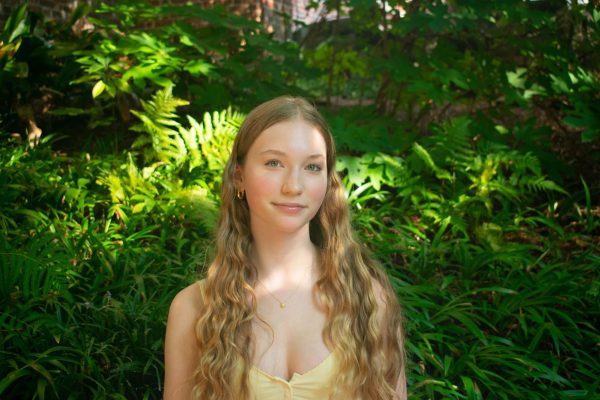
Markie Campbell is an involved volunteer at Bosley’s Place as well as the Lifeline Project in Atlanta. She believes the rising number of dogs in Atlanta shelters is alarming.
“Overpopulation is a huge problem in Atlanta and across the state,” Campbell said. “It’s become an even bigger one in the last few years to the point where, in this year especially, we have seen unprecedented amounts of dogs in shelters.”
Campbell believes the increasing difficulty to afford dog food and mounting medical bills have been prominent contributors to the rising number of shelter animals.
“Prices for caring for your animal have gone up, but income and paychecks have not gone up enough for people,” Campbell said. “It has become unaffordable which leads to the owners bringing them in shelters or even letting them loose.”Campbell mainly volunteers with a rescue called Bosley’s Place which takes in orphaned infant puppies, many of whom have lost their mothers at a critical age in their early life.
“Bosley’s mainly works to shelter these pups because, unfortunately, so many dogs located within the shelters have illnesses and disease running rampant throughout the shelter, and puppies at such a young age could get severely sick and die.” Campbell said.
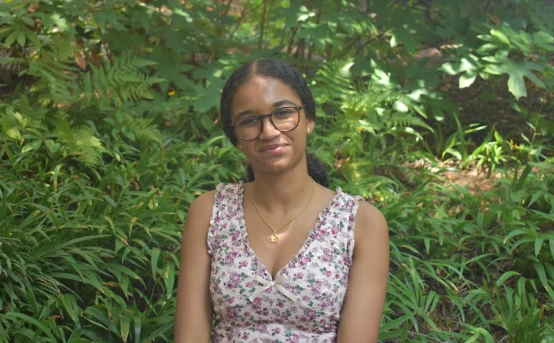
Another dedicated Lifeline volunteer, Rosalie Hathcock, who is unable to have dogs of her own due to a disability, dedicates her time to volunteering for shelter dogs and fostering cats. Hathcock believes another contributor behind these swelling numbers is the lack of understanding about spay and neuter operations.
“We will continue having issues because people breed the babies to sell them, and end up selling very few and then come running to the county shelters when they don’t sell,” Hathcock said. “If the dog is lucky they will drain into a no kill shelter, unlike the Clayton or Walton county shelters.”
Hathcock believes it is important for people of all ages to be aware of shelter policies and funding.
“No-kill shelters and rescues like the Humane Society do not receive funding from the government, so they can pick and choose their dogs, but FDA (Food and Drug Administration) funded ones are legally forced to accept the injured and surrendered dogs that show up at their doors,” Hathcock said. “If the government-funded shelters are nailed open, after 3-7 days they will fill up, overflow and, sadly, dogs will die.”
India Jenkins, manager at one of the three Atlanta Humane Society locations, believes that unnecessary euthanasia is preventable and can be addressed through free or low cost neutering and micro-chip procedures.
“We started offering a low cost neuter clinic this year because one of the main reasons people don’t adopt is the costs,” Jenkins said. “Chipping is also important because without it we cannot trace these dogs back to their owners and they will have to start from square one.”
Jenkins believes that people should not walk into shelters with high expectations because most shelters cannot choose the specific breeds they accept.
“Adopters should not be so set on what specific dog they want, meaning that we won’t always have the perfect dog in their eyes,” Jenkins said. “All of the dogs that I’ve seen here are sweet and loyal companions that would be grateful to be given a loving home if given a chance.”
Hathcock believes that taking action is a necessary step in making a difference, and without it these dogs will suffer.
“These dogs need all the help they can receive, it’s all over social media right now,” Hathcock said. “All kinds of people will see an animal in need. They don’t stop to help or see if they’re okay, instead they assume somebody else will grab it. Then the animal dies because everyone thought it was someone else’s problem.”
Campbell says a lot of low income people are eager to attend the events to adopt and receive incentives such as free or discounted neutering and medical bills.
“A lot of people who are coming to our free events might not have transportation to get their animal to a facility that accepts the vouchers that we give out,” Campbell said. “This can effect many aspects of the dog’s life and even in some sad cases, dogs are forced to live outside which can almost ensure a dog could get an infection after a serious surgery or procedure.”
Campbell believes overcrowded shelters are an ongoing issue that need to be addressed by people and the government.
“We are truly in a time of trying to fight a forest fire with a water gun,” Campbell said. “It’s an unbelievable problem where everyone is struggling to fix it. I truly wish it was just money that would solve this, I mean how could you be okay looking at a dog and just leaving it there to suffer in an overcrowded building with hundreds of other dogs.”