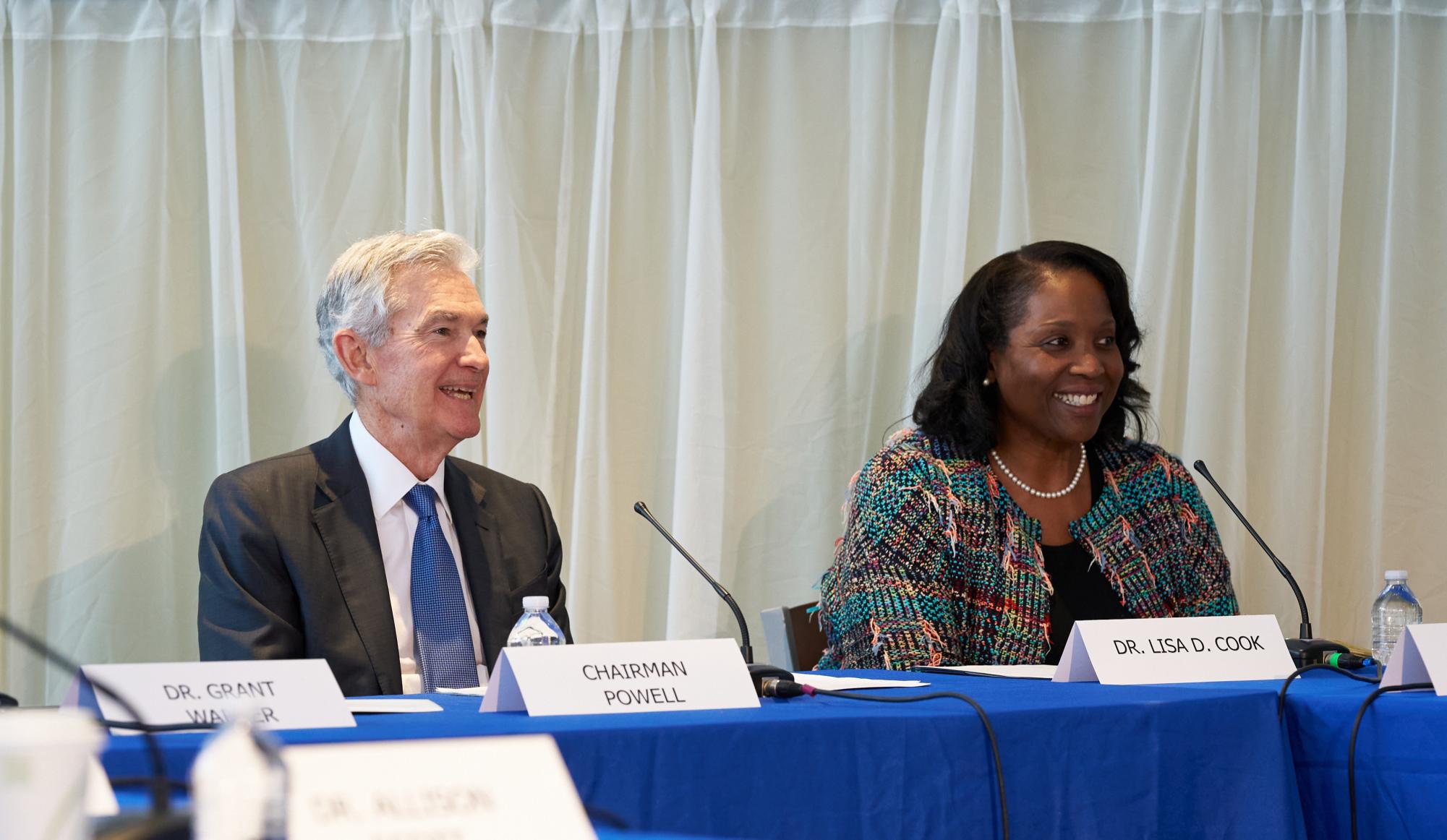
Recent efforts to remove Lisa Cook from the Federal Reserve’s Board of Governors, a Justice Department probe pressuring Chair Jerome Powell and the White House’s formal nomination of Kevin Warsh to succeed Powell when his chair term ends in mid-May 2026 are converging issues shaking the Fed and its leadership. Despite these disturbances, the government ought to maintain one goal: prioritize the Fed’s independence.
The Fed acts as the central bank for the U.S., serving as the public institution to manage the dollar and American monetary policy, and wielding immense power to steer the nation through issues of economy. In specific actions of controlling the flow of dollars and credit and pulling interest rates up or down, the Fed’s decisions have outsized influence on national inflation, economic growth, financial stability and employment.
These responsibilities are what make the litany of moves by the Trump administration to undercut the Fed’s independence so critical, to American’s wallets and the government as a whole. While politicians may campaign on providing economic boosts or putting money back into citizens’ pockets, these short-lived moves can set up a road of future struggle for the U.S. economy. The Fed looks down-road to maintain economic well-being, and must maintain its independence to set rates without political sways.
Recent Trump attacks on the Fed represents a power struggle between his administration’s wishes and the nonpartisan central bank – one that is proving to be a hardy entity. Unable to remove Powell, Trump has redirected the struggle into his efforts to fire Cook over allegations that she falsified records on her mortgage filings. While the dispute is still in court, with Cook’s removal blocked for now as judges weigh what ‘for cause’ means under the Federal Reserve Act, the rhetoric is clear: Trump wants the economy under his control, and the Fed stands in his way. The Fed has signaled it is fighting back legally, reporting that it is seeking to quash subpoenas tied to the probe into Powell.
For one, lowering interest rates – like politicians want to see happen – is a quick option to spark the economy into an uptick and get cash flowing throughout businesses, industries and ultimately consumers. But forcing political influence into the Fed’s doors is a step almost unheard of, and the current administration reflects this. Warsh, while touting an impressive resume, is a key-in for an increased ability to sway the Fed. With a track record of switching back on his decisions after direction from Trump, as well as an outright endorsement from the White House that he would “go down as one of the great Fed Chairmen,” it is natural to be suspicious of Warsh’s ability to stay unbiased.
An independent Fed became the focus of many economists after the Great Inflation of the 1970’s era, where runaway inflation was sparked by Fed submission to pressure from Nixon to keep Americans’ prices low. The Fed should be independent, enabling it to take unpopular or harsh moves to fight inflation in the economy, like hiking interest rates into the double digits. Actions like these are meant not to be a lifesaver for the economy in times of struggle, but to use data and foresight to ensure economic stability in the long run.
The other side of the economy is the massive financial markets with complex influences, drawing on extensive networks of data points to lead investors and businesses in the direction of growth. To these markets, an independent Fed is key as it is more rational and predictable in its decision making. For example, officials of the Fed are known to publicly discuss their considerations of economic and market conditions before altering interest rates. A politicized Fed that is bought out or swayed to politicians would make it much harder for markets to anticipate – or understand – its decisions. It is these markets which determine the long-term borrowing costs for mortgages and business loans, among others, so when these markets sense disturbance or unpredictability, prices rise for Americans.
At its core, this moment in economic events is not about one appointment or set of political ideas, but preserving a system designed to prioritize Americans’ economic stability over short-term political agendas. An independent Fed gives the nation economic decisions guided by data, aptly decided to look to the long-term health of the nation. When that independence erodes, inflation risks taking off, markets lose vital trust and everyday families ultimately pay the price through higher borrowing costs coupled with financial instability. At this moment, the Fed must keep its duty and be empowered to make the difficult choices that ensure stability and success. Safeguarding that independence is not something that can be risked; it is an investment in the economic future of every American.