

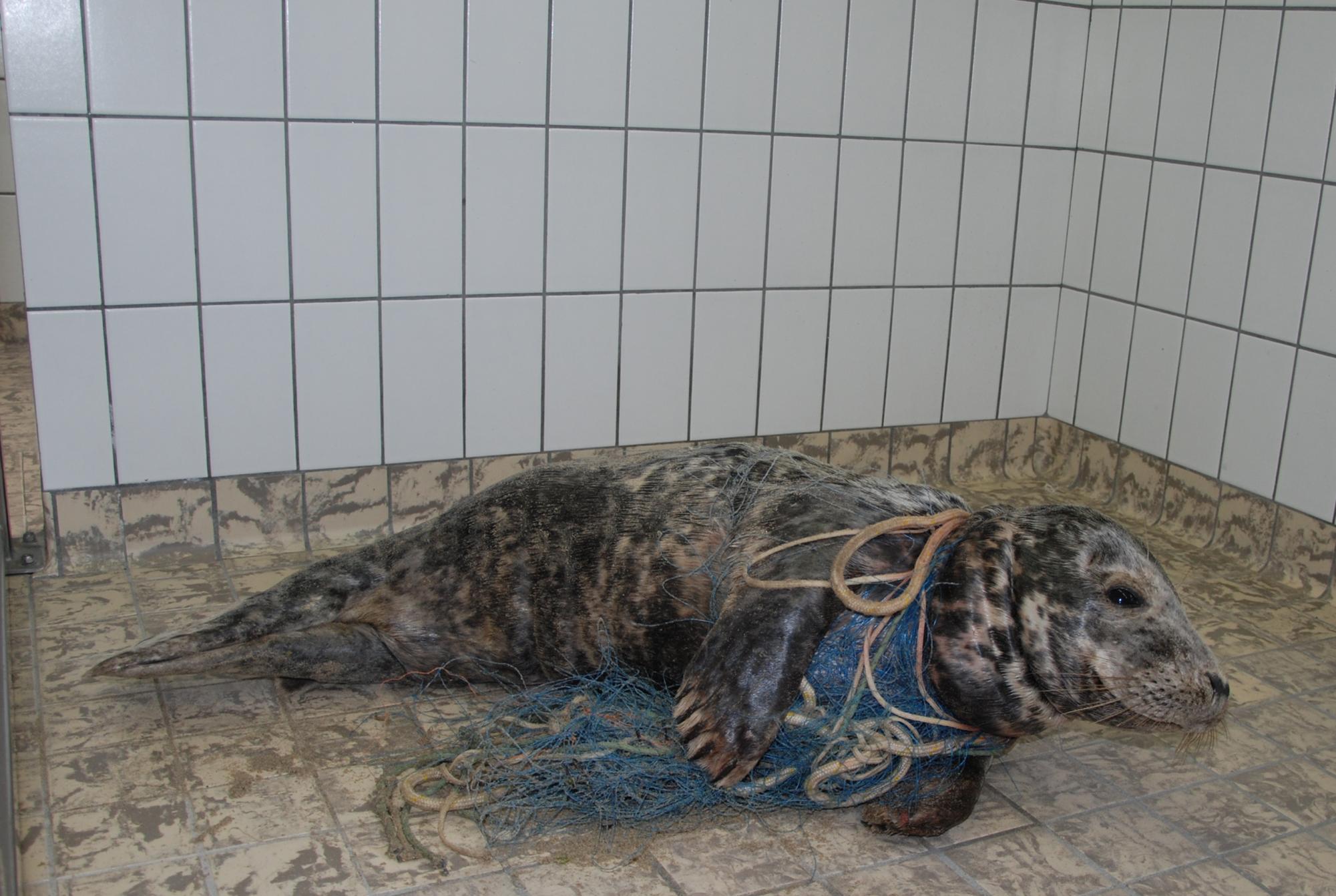
The U.S.’ territorial waters host a wide variety of marine mammals, including manatees, sea lions, whales and dolphins, among numerous other species. Over the years, marine wildlife has continued to face adversities due to human activity. As a result, legislation to protect wildlife and ecosystems has expanded.
In 1972, the Marine Mammal Protection Act (MMPA) was passed by Congress. It instituted an ecosystem-based approach to conservation by prioritizing the health and wellbeing of aquatic environments. Additionally, the act facilitated population growth for threatened and previously endangered species. In some cases, it even revived such species from the brink of extinction. In light of recent challenges, such as climate change, MMPA regulations need to be increased. However, new efforts have prevailed to loosen the act’s restrictions, including Congress’ consideration of a MMPA draft reauthorization bill.
Introduced by Alaska representative and Republican Nicholas Belgich, the bill would only protect the survival of aquatic mammals. Through reduced protections on commercialized fishing, incidental harm, marine mammal fatalities and ‘taking’ – a technical term meaning to “to harass, hunt, capture, or kill, any marine mammal” – the reauthorization bill would limit all progress towards the advancement of marine conservation.
Although the MMPA currently protects mammals from taking, the Center for Biological Diversity found that 2,000 federally-protected marine mammals are captured annually in United States fisheries. In addition, over 650,000 marine mammals are killed as a result of bycatch – the unintentional capturing of a non-target species – globally.
The National Oceanic and Atmospheric Administration (NOAA) found that the effects of bycatch events are significant and costly. Protected animals are more vulnerable to harm and are uprooted from their ecosystem when taken. Habitats and animal populations deplete as a result of fatalities, damages by heavy machinery and loss of habitat sustaining species. These conditions make full recoveries extremely challenging and, in some circumstances, nearly impossible.
While these effects are detrimental, they are ultimately inevitable. Until updated mandates in fishing technology arise, non-target species are bound to be captured by fisheries unnecessarily harming ecosystems. That said, adjustments can be made to mitigate the risks of commercial fishing. The NOAA found that gear alterations can limit harmful interactions with large netting or other types of equipment, allowing animals to avoid entrapment or injury. While this should signify the need for increased, revised mandates from the MMPA, the reauthorization bill would instead focus on loosening the MMPA’s regulations.
As humans, our priority should be to minimize damage to our ecosystems, especially when so much environmental harm is a direct result of human activity. Unfortunately, getting rid of fundamental protections to marine mammals offers negligible benefits.
In the time since the MMPA was passed, zero marine mammal species have gone extinct in U.S waters, proving the act’s necessity within current legislation. The MMPA reflects a critical, intentional preservation of marine life and legislative recognition of the importance that marine ecosystems hold.
Oceans, an essential source of economic and environmental sustainability, are being destroyed. The Marine Mammal Care Center found that climate change has caused environmental disruptions such as increases in ocean temperatures, changes in ocean chemistry, beach erosion, and loss of food and habitats.
As climate change continues to be a perpetually significant issue, the enactment of protections over marine ecosystems is crucial. Marine ecosystems help regulate global climates and are a critical food source. They generate around half of the world’s oxygen and absorb 30% of global carbon dioxide emissions. Economically, they support transportation, trade, fishing and tourism industries. Yet, by allowing fewer limitations to be placed on commercial fishing, these fields will no longer thrive. Oceans host over 250,000 species. With the passing of this bill, bycatch events will only become more frequent, limiting the wellbeing of marine wildlife around the globe.
In other words, by prioritizing economic allure over the well-being of ecosystems that once thrived without manmade disturbance, legislation has fallen short in the ways that matter. In times of uncertainty, it is imperative that our leaders choose the right path: to protect effective legislation and provide it room to grow. Acts like the MMPA prove the ability of legislation to protect animals below the surface, and the power we hold to make a positive difference for marine ecosystems as a society. All loss of life is a tragedy, and by depriving marine mammals of these protections, tragedy is almost guaranteed.











Henry • Feb 14, 2026 at 1:12 pm
The recent case of Brandon Zachary Barfield, a Florida Charter Boat Captain convicted of multiple counts of shooting and poisoning wild dolphins on fishing trips, is an example of the MMPA needing to allow more severe punishments for violators, especially when not accidental and resulting in death. Currently, there is no real distinction between feeding a wild marine mammal and willfully causing their death by firearms or poison. An MMPA violation is considered a misdemeanor and the Captain received just 30 days in jail.