Driven by artificial intelligence and immersive technologies, the FutureVerse Museum intends to open in downtown Atlanta by 2028. The museum aims to support students and provide original, captivating experiences for visitors.
After being inspired by existing museums, President and Chief Creative Officer David Wynett said he wanted to bring innovative, future-focused exhibits to Atlanta.
“There’s a future museum in Dubai; there’s one in Rio, but there’s not one in the United States,” Wynett said. “So by pulling together this idea of America’s only museum of the future in Atlanta, it really gives a lot of benefits for the city. It focuses on education, sustainability and healthcare, and since AI has been created we really are able to change and bring digital exhibits on the fly and give young people a new view every time they come to FutureVerse.”
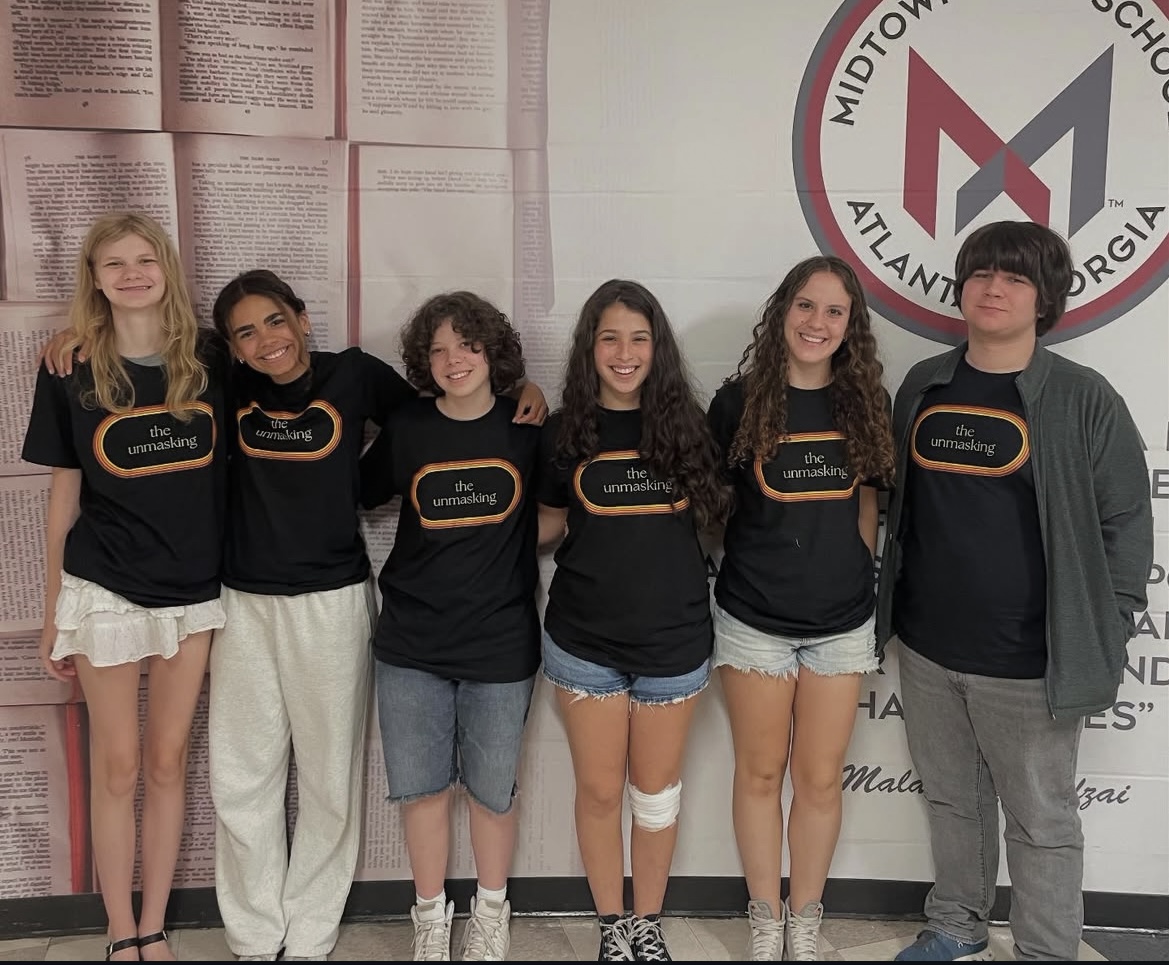
Junior Lydia Berry believes FutureVerse’s use of innovative technology will provide younger generations with critical insights for their futures.
“I think museums that incorporate elements of technology and interaction will help draw in [new] audiences,” Berry said. “I think a shift from traditional [museums] to more [technologicaly-focused] museums is what the next generations need to really instill important values of sustainability and STEAM (science, technology, engineering, art and math).”
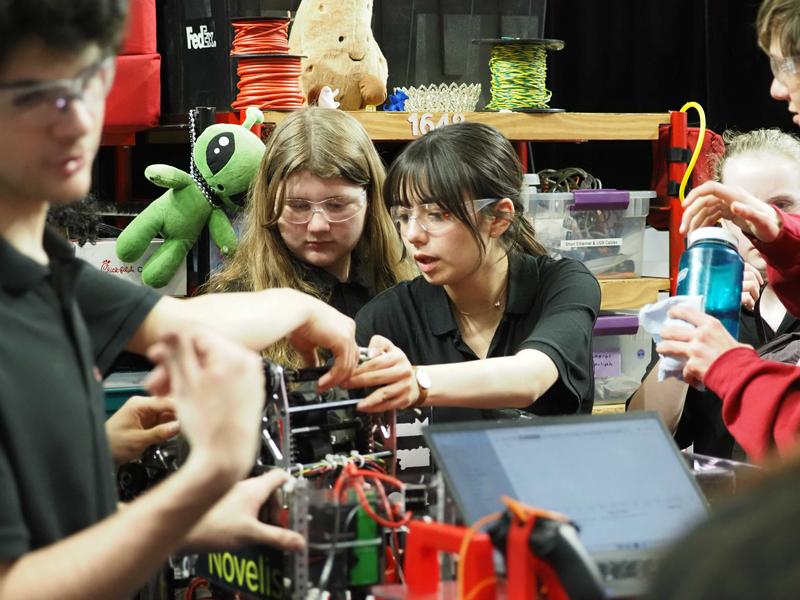
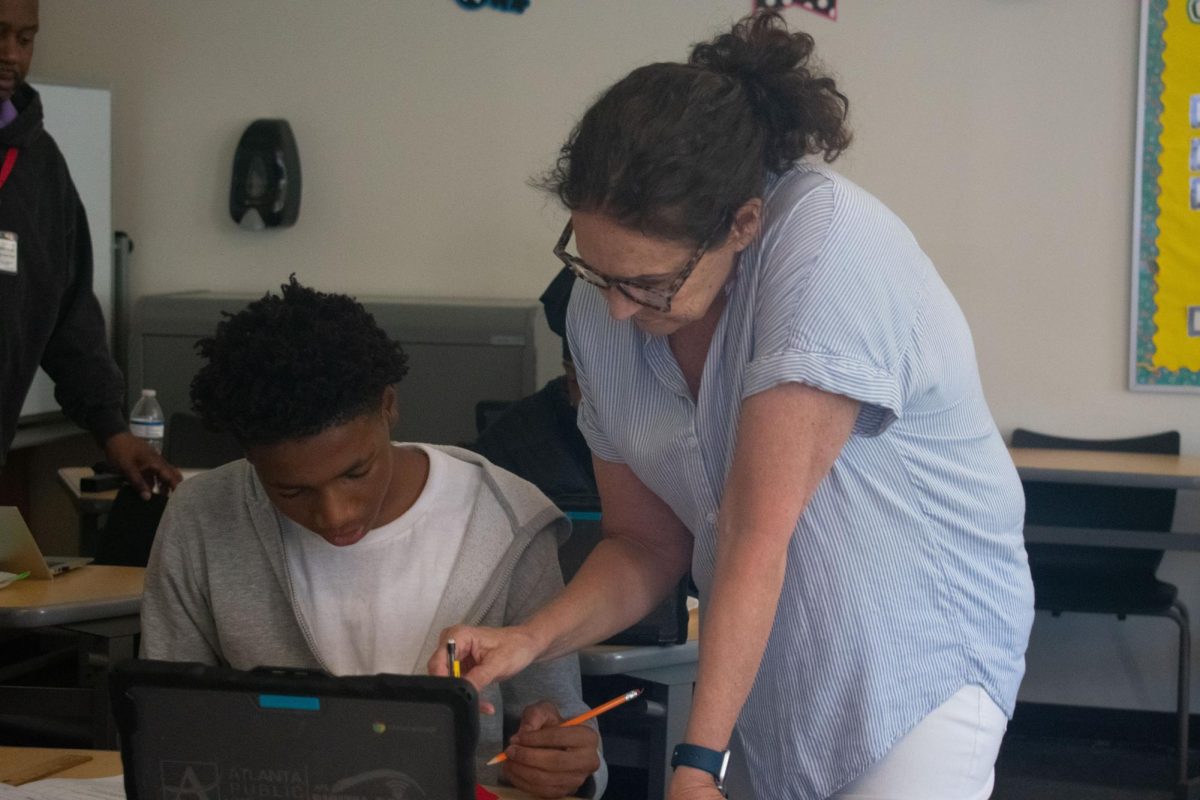
Midtown’s STEAM Instructional Coach Alex Wallace believes STEAM grants students further understandings of the world around them.
“STEAM is important to everyday life because it equips students with the skills to think critically, solve real-world problems and adapt to a rapidly changing world,” Wallace said. “STEAM connects classroom learning to daily experiences, using data to make informed decisions, applying technology responsibly, designing solutions to community challenges and communicating ideas creatively… STEAM prepares students to thrive in Atlanta’s diverse workforce, engage as informed citizens and innovate in ways that improve their lives and communities.”
The museum’s sponsors include Emory University, Emory Healthcare, Morehouse College School of Medicine, the University of Georgia, Georgia State University and Georgia Tech, among others. These sponsorships are focused on STEAM initiatives.
“We’re focused on four key areas,” Wynett said. “One, we have a future health gallery, which is sponsored by Emory Healthcare. We have a future Earth gallery that is sponsored by the University of Georgia, a future transportation gallery by Georgia Tech and then we have a future art gallery.”
The museum will also introduce learning labs to Clayton County Schools. Wynett believes the addition of interactive learning centers will spark imaginative thinking and discussion in students.
“These labs change a traditional classroom into a high-tech learning center,” Wynett said. “Since we use next generation tools [and] technology, we’re able to accelerate learning. We’re working with Clayton County to do a pilot school, and we hope to roll that out across many schools in the state of Georgia.”
In addition, the museum will utilize crowd challenges for the public to brainstorm and interact with modern issues, and find solutions. Through this, Wynett said FutureVerse aims to build upon Georgia’s primary industries.
“Agriculture is the number one industry in the state of Georgia, so we’re focused on the future of farming, with a partnership with the University of Georgia School of Agriculture and Environmental Sciences,” Wynett said. “Same thing with transportation. It’s a leading industry in Georgia, and we don’t want to ignore it. All of these different hubs and technologies will really help make Atlanta a top innovation hub.”
Wallace believes FutureVerse will allow students to uncover and engage in new opportunities while building strong foundations for the future.
“I believe a STEAM-focused museum will have a powerful impact by bringing learning to life beyond the classroom,” Wallace said. “It will inspire curiosity, creativity and critical thinking through hands-on, interactive experiences that make STEAM concepts relevant and accessible to all students. The museum will strengthen connections between education, industry and the community, expose students to real-world careers and help them see themselves as innovators and problem solvers who can shape their future.”
Similarly, Berry believes FutureVerse equips students with the necessary resources to be proactive as adults.
“Everything has an intersection, and this fundamental intersectionality connects to science, technology, engineering, art and math,” Berry said, “Teaching kids the importance of these disciplines will help them develop a creativity that is needed to combat the issues we face in this world today.”
Wynett believes FutureVerse fosters learning by allowing young people to embrace challenges and think creatively to find solutions. A goal of FutureVerse is to bring innovation to Atlanta and involve younger generations, Wynett said.
“It’s important that we focus on technology and what technology is important to young people,” Wynett said. “As we shape FutureVerse, we want to continue to involve young people because they’re the next generation. How can we [and] you help with climate change or how can we think of new forms of energy? With FutureVerse, we’re just showing people what’s possible and letting them draw their own conclusions.”