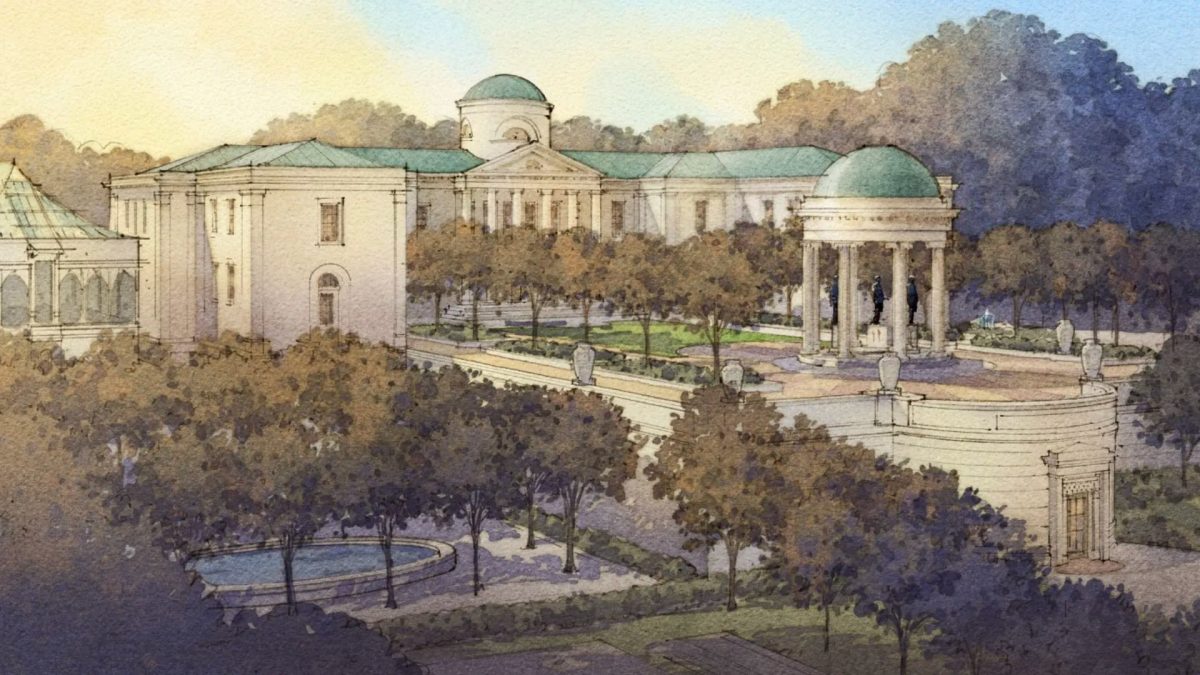
The Botanical Garden is expanding to College Park, aiming to add vibrancy and education to the area. Named after College Park City Council Member Roderick Gay, the city hopes to use the garden as a community space to promote eco-tourism.
“It will provide a place of learning and reflection — a living classroom for K-12 students and a peaceful sanctuary for residents and visitors alike,” Gay said. “The site, once known as Camp Truitt 4-H, was transferred to the City, and I believe the stars aligned for us to become stewards of this land for the next 50 years.”
Gay is known for his commitment to community growth, and he has been working on the botanical garden for 20 years.
“I’m not always in favor of naming public spaces after individuals; however, this was an exception,” Gay said. “I was deeply honored that my colleagues on the City Council voted to name the garden in my honor. I hope with my dedication, students can see that curiosity may lead them to discover that perseverance, patience and purpose can make anything possible when you are willing to endure, wait and keep working toward a vision.”
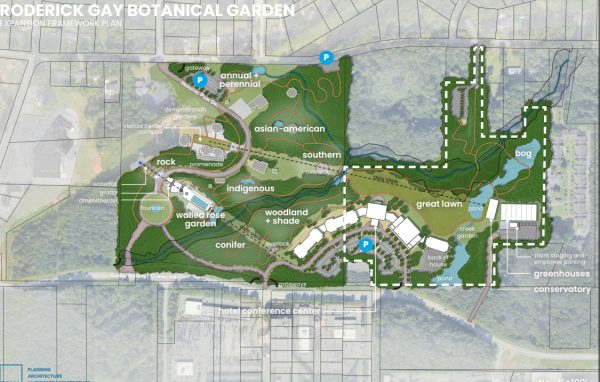
The Botanical Garden, spanning 40-acres, will include trails, educational areas and visitor centers. The remaining eight acres will be designated to preserve and support the preexisting Camp Truitt 4-H property. Jerry Laster, co-president of Midtown’s Earth Club, is excited for what this greenspace could mean for the environment.
“The Botanical Garden here in Atlanta already provides so many opportunities to house plants, put on unique displays and inform the community,” Laster said. “A new garden in a different area will only expand on these benefits.”
The construction started in late October and work will continue through 2026. The first phase of the construction will include the roadways, walking trails and remodeling of historic cabins for a library and welcome center.
“In elementary school, I visited the Atlanta Botanical Garden numerous times on field trips,” Laster said. “Seeing the plants and animals in the greenhouse was very entertaining and impactful. I’m sure College Park students will be able to learn a lot about conserving nature and what it has to offer.”
College Park resident and Midtown chemistry teacher, Permeil Dass, hopes the new garden will spotlight natives, support pollinators and inspire both local residents and students across the area.
“I think this project will be huge since we have very little beautiful green spaces,” Dass said. “At Midtown, we have a green garden here for chemistry. At the Botanical Garden we and other schools could do soil testing, create art and change different clays into pigments for paint. The garden could open up so many new ways to learn and connect with nature.”
The Fulton County Board of Commissioners allocated $5.4 million dollars for the garden’s budget, along with the land lease for the acres given. With the Council’s funding, they are prioritizing creating an urban oasis focusing on creating greenspace full of plants and liveliness.
“Since the age of eight, I’ve been a gardener and a lover of plants,” Gay said. “Over the years, I’ve grown into a dedicated landscape professional, blending both art and science to create living spaces that bring people together.”
Ranked as the world’s busiest airport based on passenger traffic, Hartsfield-Jackson Atlanta Airport attracts millions of passengers a year, bringing in visitors from all over the world. With College Park’s close proximity to the airport, Sawyer Parker, a College Park resident, believes traffic will be impacted.
“The Atlanta Airport already attracts a lot of visitors, causing traffic in the area already,” Parker said. “The Botanical Garden is exciting but will cause more visitors and traffic increases. I hope it’ll be built into something that many would be excited to come see, but the atmosphere of College Park will definitely change.”
College Park has a crime rate of 55.56 per 1,000 residents in a typical year. With a new attraction such as the Botanical Garden, Dass hopes it will help to increase safety in the area.
“I think it will decrease crime rates because when people connect with nature, they undergo a calming experience,” Dass said. “Getting the peace from being out in nature or ‘forest bathing’ as some call it, is very enjoyable for people. When people have somewhere positive to go for their personal benefit, they might feel less inclined to commit a crime, which is always welcome.”
The Roderick Gay Botanical Garden has long-term goals to educate youth and adults, provide a lively green space and bring the community together. Gay hopes the garden’s impact is long-lasting.
“I hope my legacy through this garden reflects the beauty of stewardship — encouraging everyone, especially young people, to continue learning about and caring for plants,” Gay said. “They are an essential part of the living system that sustains us all.”