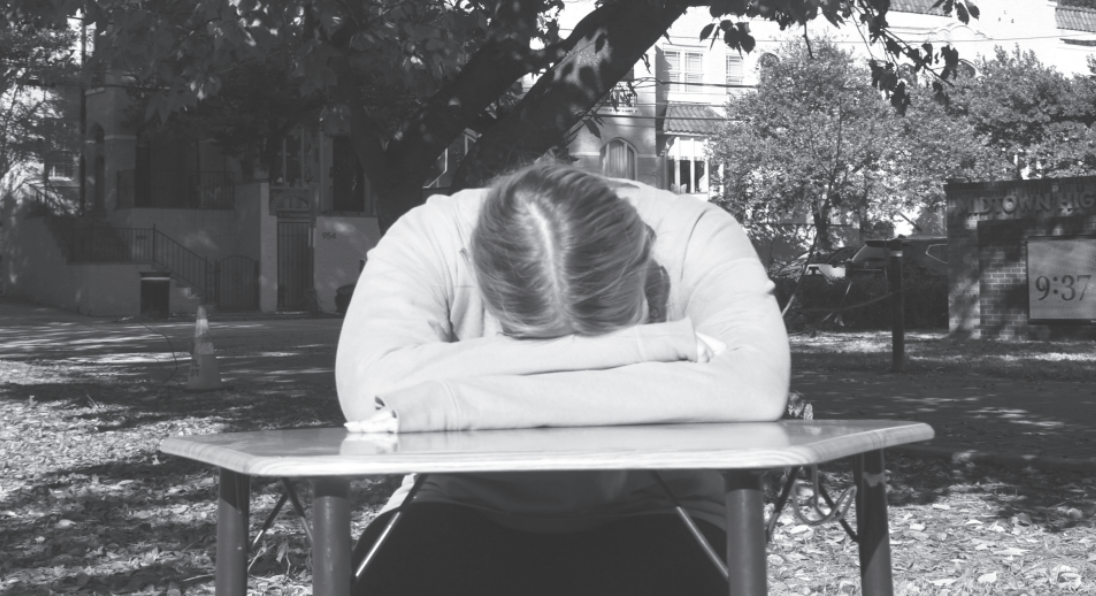
At many high schools, including Midtown, detention is used as a way to discipline students. It serves as a consequence and a place where students are meant to catch up on work and reflect on their behaviors.
However, detention often is not a truly constructive experience, and for many students, it is forgotten about until the next time they come back. To combat this, a new initiative at a Maine high school is offering a previously unheard-of option.
In Bath, Maine, Morse High School introduced “detention hikes” as an alternative to the typical in-school ordeal. Students given detention can join a supervised hike on nearby trails instead. The program began in the fall of 2024 and is already having positive effects. The number of students receiving detention has dropped and participation in the hikes has grown, including students volunteering to attend, even when they weren’t given detention. That experience suggests a shift in how discipline can be approached. Though Midtown isn’t necessarily in the center of nature, a similar alternative could still be plausible.
Spending time outdoors is not just a pastime; a multitude of research backs it. In fact, exposure to green spaces is linked to better sleep, lower blood pressure and fewer symptoms of mental distress. Researchers have also found correlations between nature exposure and improved cognitive functioning, reduced stress, enhanced attention and better physical health.
Beyond the mental and physical benefits, outdoor experiences can also teach problem-solving and other executive functioning skills that may need to be developed for the students to succeed. Currently, students are asked to work quietly on schoolwork during detention without phones. However, this is what students have been doing all day, and it is unlikely that a “study hall” will change their behavior for the future.
Even in the absence of phones during the school day, high school life revolves around screens. During the school day, students use Chromebooks for nearly every class, typing essays, taking tests or using online resources. Once the final bell rings, students unlock their phones from their Yondr pouches, already having spent hours staring at a computer screen. With Midtown being an inner-city public school, many students spend little time outdoors. With Piedmont Park and the BeltLine just across the street from Midtown, detention could become an opportunity for students to experience nature.
The traditional model of detention focuses on isolation. In Maine, students walked three-mile trails, ate snacks and had conversations. At Midtown, this could shift students’ viewpoints on discipline towards it being an area for growth. Punishment, such as detention, may stop behavior temporarily but rarely leads to long-term growth. Acknowledging positive behavior or providing meaningful experiences reinforces positive habits and causes lasting improvements. By giving students a chance to disconnect and talk with their peers, detention could reinforce better habits rather than punishing for mistakes.
Another alternative would be to give the option of some sort of community service-based choices. Instead of sitting in a classroom, students could spend detention hours helping around the school or in the community. From cleaning classrooms around school to picking up trash at Piedmont Park, all kinds of community service have been shown to improve mental health and strengthen important skill sets. If approved, any program like this would require extensive planning and supervision. Teachers or administrators would have to oversee students which could be a significant burden.
The Maine school reported that students returning from hikes seemed more relaxed, more talkative and in better moods at school. If students choose to talk to a supervising counselor or teacher, it can create a relationship that is uncommon at such a big school. At Midtown, making stronger student-teacher bonds could help reduce future infractions, improve trust and promote a more supportive environment. Oftentimes, students may need a reminder that their school wants to help them succeed, not punish and control them.
Detention should still hold students accountable, but it doesn’t need to feel like a ruthless punishment. An outdoor alternative would address both behavior and well-being, helping students return to class calmer. Even if students are doing some sort of work, like volunteering, it is a lot more beneficial for students to actively help the community than to be isolated by punishment.