New Beltline stretch bridges communities, moves city closer to loop completion


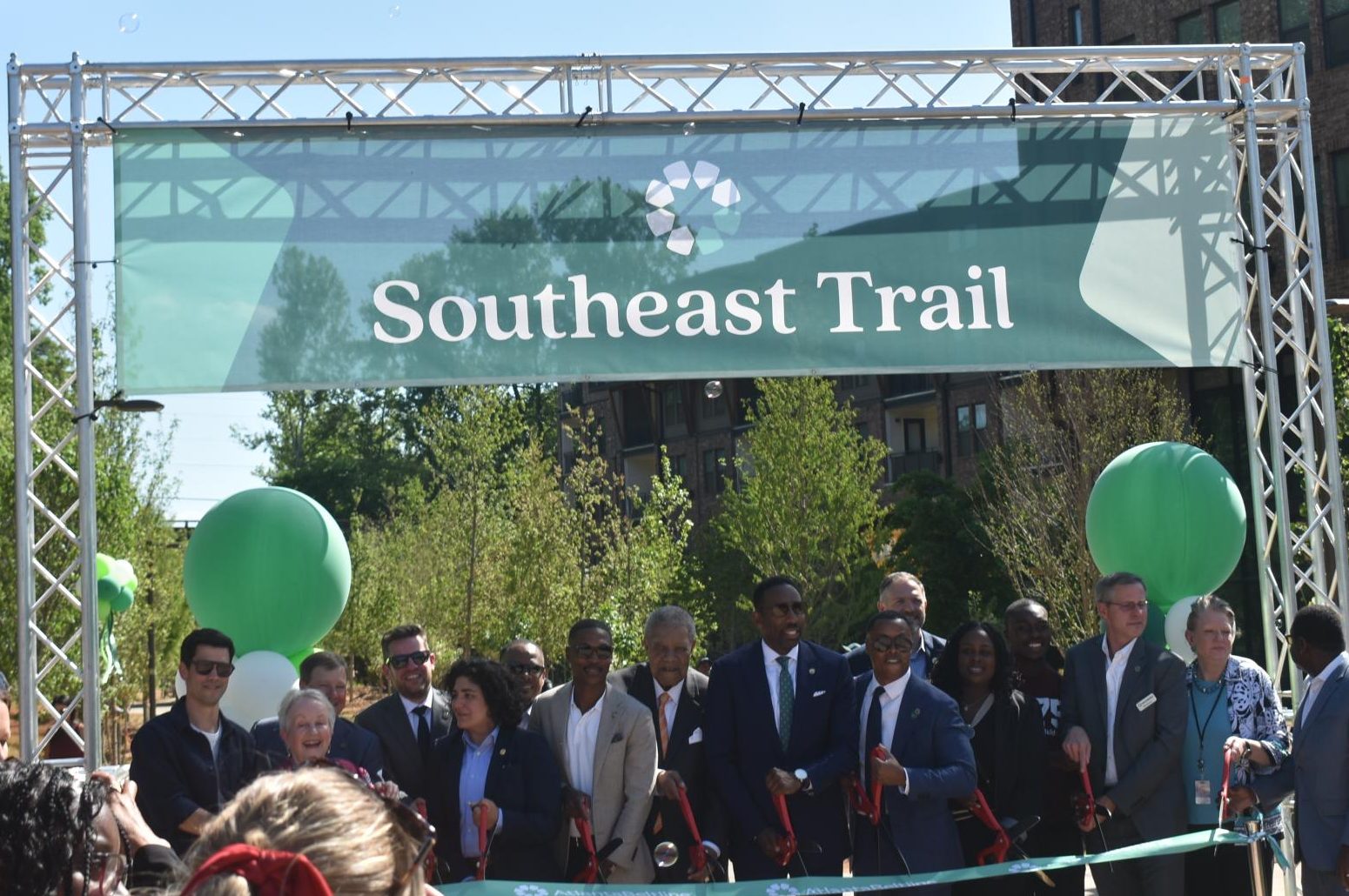

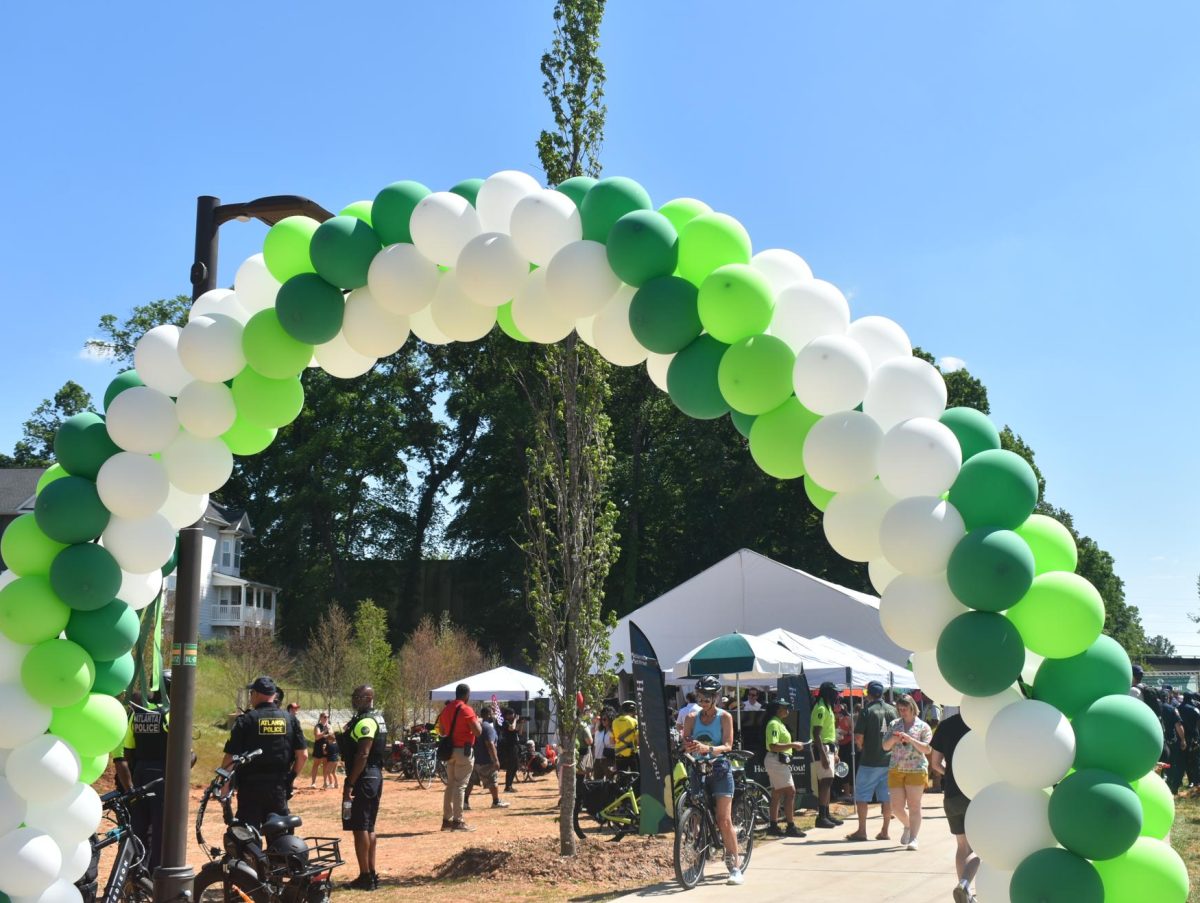
A new stretch of the Atlanta BeltLine officially opened April 16 with a ribbon-cutting ceremony. Formerly known as segments four and five of the Southside Trail, now the Southeast Trail, the 1.5-mile extention connects four Atlanta neighborhoods. Located near Maynard Jackson High School, it extends to Glenwood Park, Grant Park, Ormewood Park and Boulevard Heights, bringing Atlanta closer to completing the planned 22-mile loop.
Mayor Andre Dickens spoke before the ribbon cutting and said the Southeast Trail represents a broader effort to connect communities that were once physically and socially divided.
“This section is going to connect these [four] great communities and the rest of the city together,” Dickens said. “Each new mile of the Beltline line brings Atlanta closer together, linking our neighborhoods, jobs and schools across what used to divide us.”
Nearly 16 miles of the originally envisioned 22 mile Beltline loop have now been completed. The goal is to have 18 miles finished before the World Cup brings an influx of people into Atlanta over the summer.
“Before the World Cup, sometime around the first week of June or the second week of June, we’ll be cutting the ribbon on that last segment that gives us 18 miles of continuous loop in just a month and some change,” Dickens said.
Senior Project Manager Nancy Newell emphasized that connectivity has remained central to the Betlines purpose since its creation in 2005.
“The Beltline has always been a 22-mile loop around the city, and the plan was always to bring the trail to this area,” Newell said. “Moving forward, we’re trying to connect everything, get all that done on the walking trail and then hopefully transit in the future. We want to make it definitely more accessible for neighbors in different neighborhoods to be connected, and also just to make it a lot more friendly for people on bikes, on scooters, just basically anyone that’s not wanting a car.”
The opening of this part of the Beltline is right next to Atlanta Public Schools’ Maynard Jackson High School and Parkside Elementary. Maynard Jackson Principal Kimberly Latchman said she is excited because it will help make the Jackson Cluster within the community closer than it already is.
“The Jackson cluster is such a really close knit, family-oriented structure,” Latchman said. “I think this provides us with the opportunity to be a bit more connected and an easier path and safer path for us to get to and from school.”
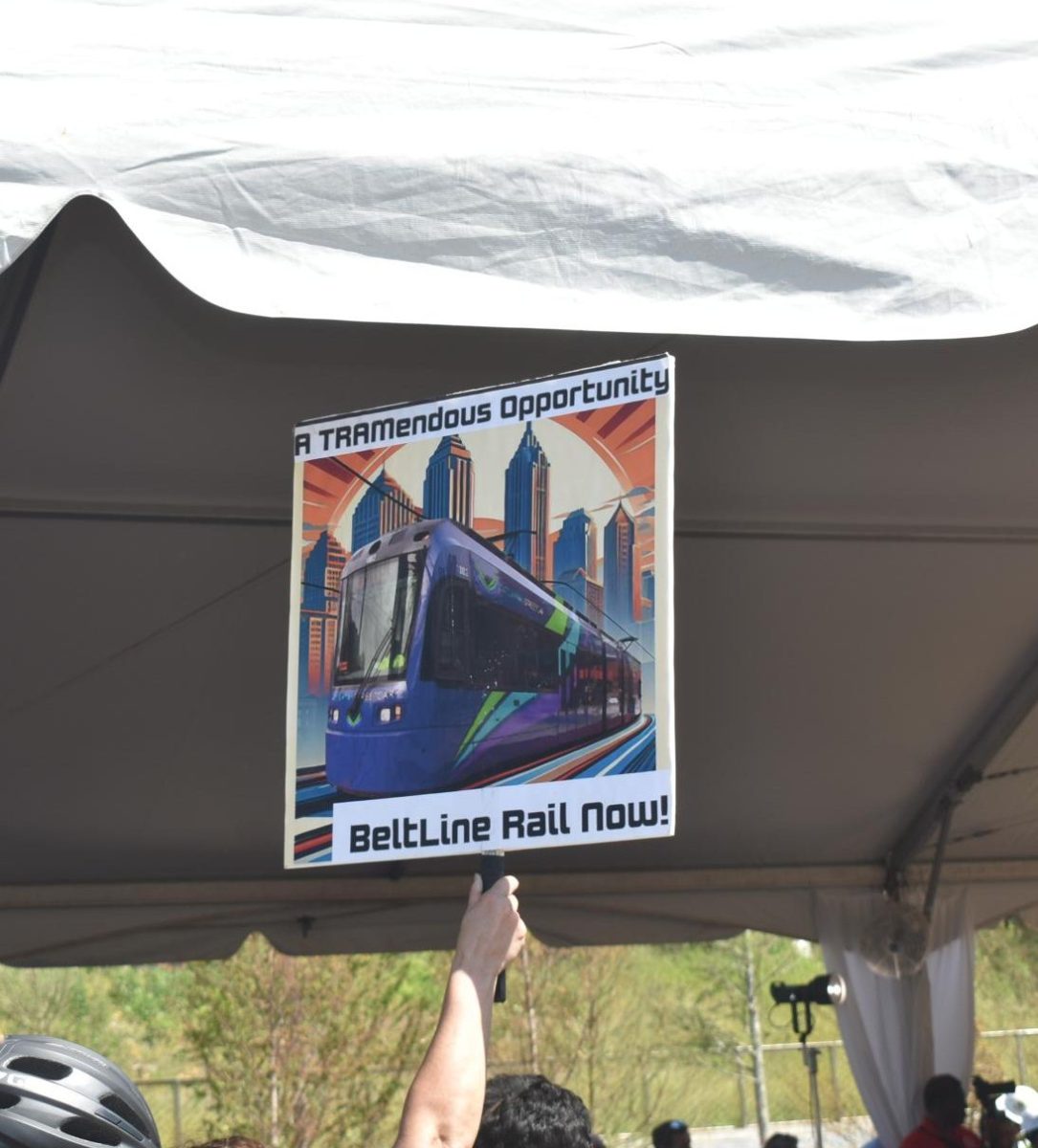
With the opening of the new trail some advocates say the project is still incomplete without all of the originally planned aspects of the Beltline — the transit. Matthew Rao, chair of Beltline Rail, now said while the trail has improved connectivity across Atlanta, it doesn’t serve all residents equality yet.
“For the first time, a lot of [Atlanta] is connected and that is incredible,” Rao said. “People on bikes, on foot, on scooters can now connect from the south side to the east side, to the north side of the city and that is fantastic. But what we don’t have right now is true connectivity for everybody and that is the Beltline rail, which is the reason for our Beltline and people have forgotten that.”
As the city continues work on completing the trial, Rao said the focus should shift toward completing the project’s original vision.
“Now we have built the trail, let’s build the rail,” Rao said.
As conversations about future transit continue, city leaders say the progress made reflects years of investment and collaboration across Atlanta.
“As a son of this city, as the mayor of this city, and as a member of the Atlanta BeltLine Board of Directors since my time as a council member, I’m just proud of what our team and what our partners and our community have built together mile by mile, neighborhood by neighborhood,” Dickens said. “I have seen this project bring together people and communities and partners, and this is the thing that everybody’s talking about all across the nation.”